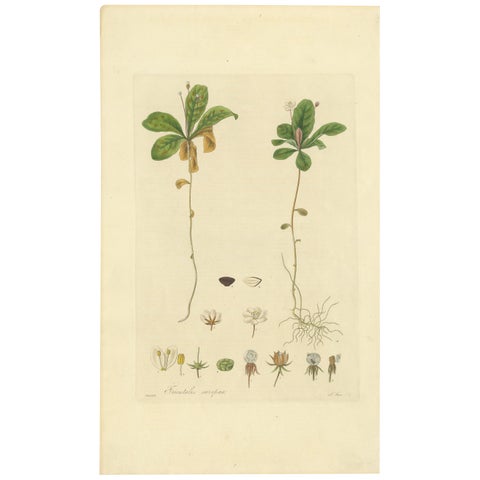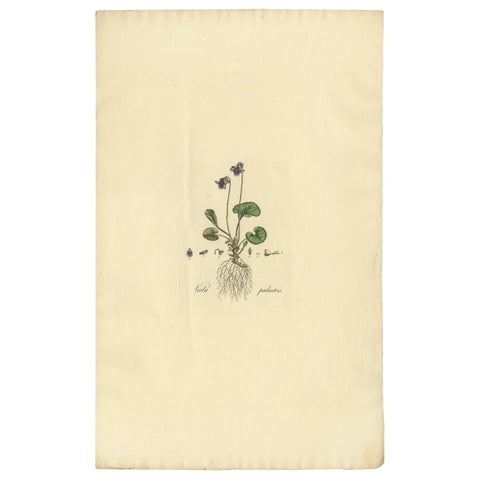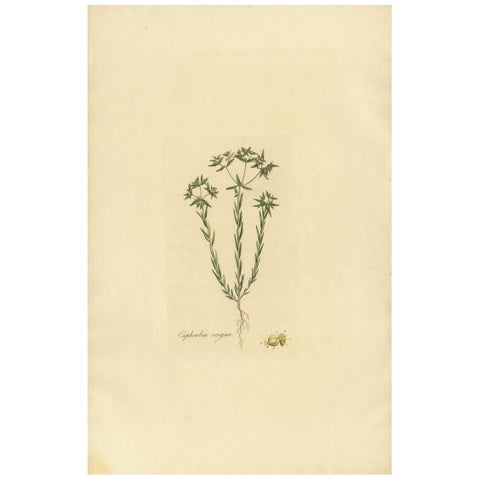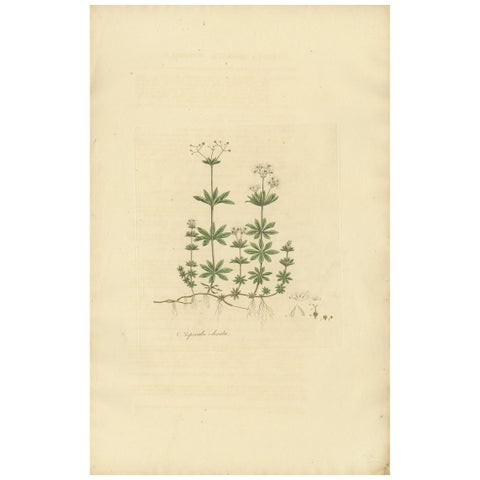
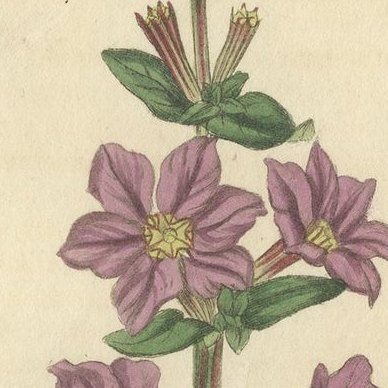
Close-ups
Framed and on the wall
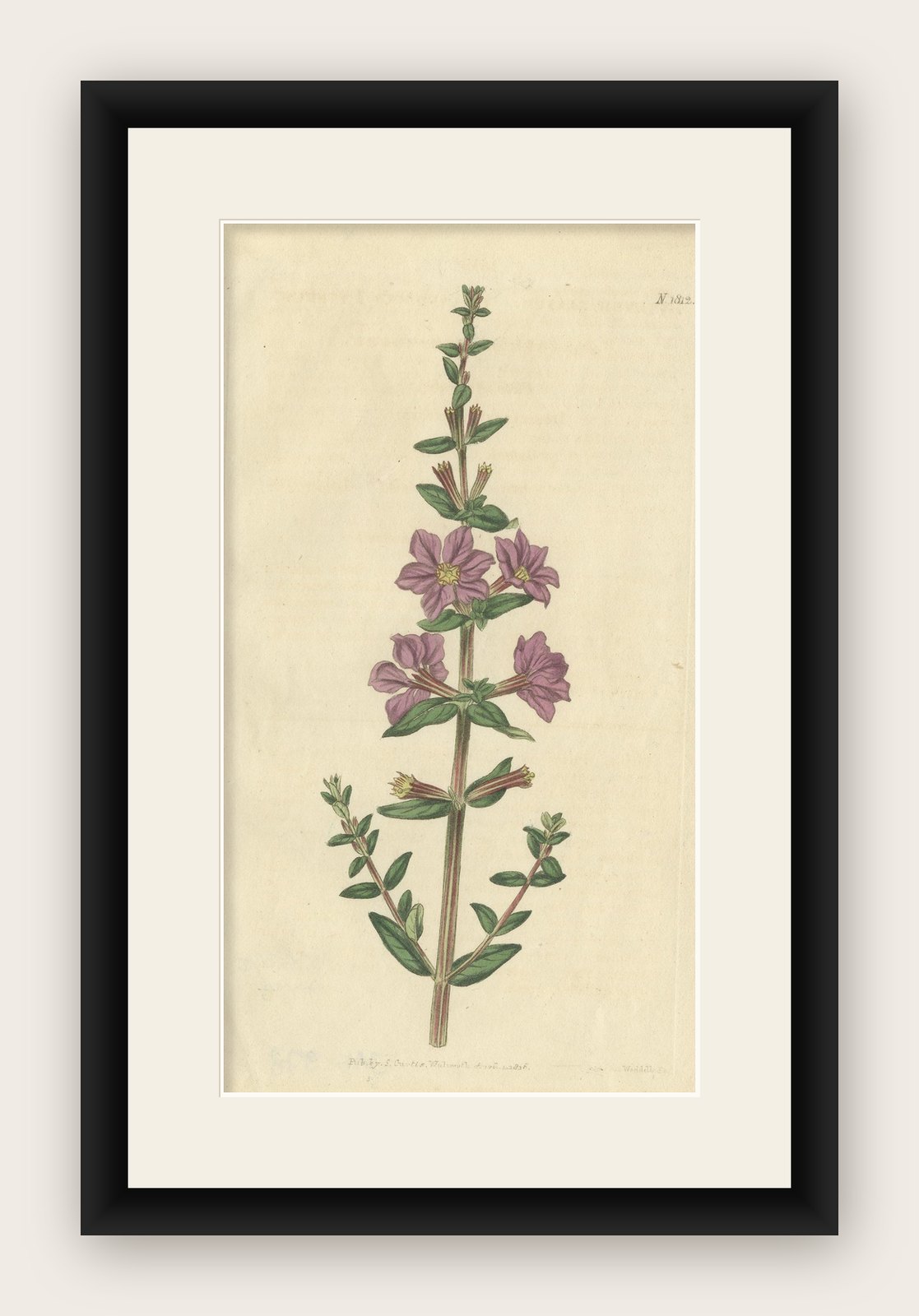

Frame and rooms are illustrations of how the print could look; the description says what is included.
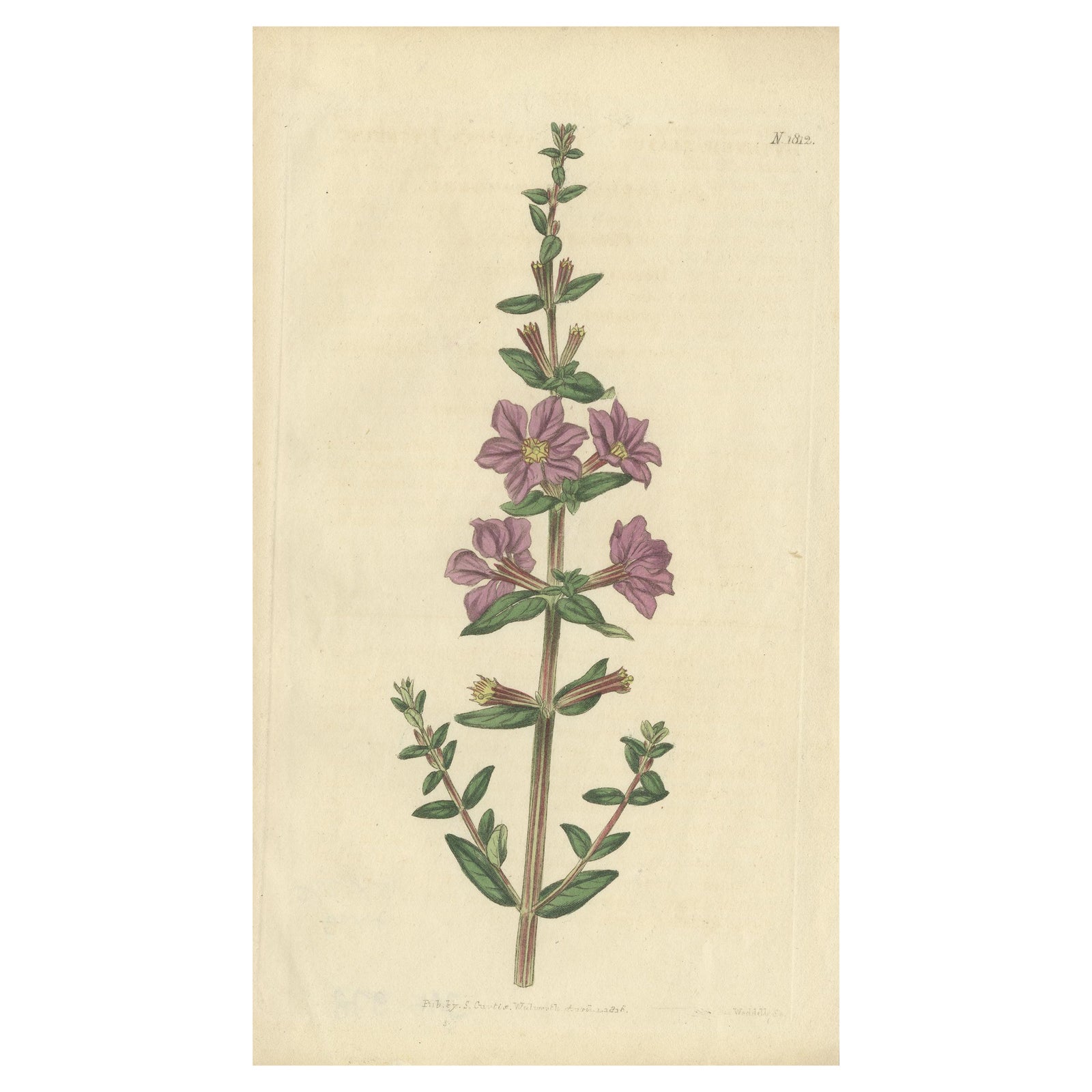
Antique Botany Print of Lythrum Alatum or Angled Purple-Loosetrife, 1816
€140 ($155, £120, €140)
Period original, not a reproduction.
Shipped from the Netherlands, flat, insured and tracked, worldwide. Returns accepted within 14 days.
- Date
- 1816
- Size
- 9.3 × 5.9 in (23.5 × 15 cm)
- Condition
- Good. General age-related toning. Left margin extended. Blank verso, minor wear. Please study image carefully.
- Period
- Early 19th century
- Artist or book
- Curtis's Botanical Magazine
- Section
- Botanical
- Reference
- f_25882782
Antique botany print of Lythrum Alatum, also known as winged loosestrife, winged lythrum or (in Britain and Ireland) angled purple-loosestrife. This print originates from 'Curtis's botanical magazine'.
Artists and Engravers: Curtis's Botanical Magazine is the longest running botanical periodical featuring colour illustrations of plants. Curtis's Botanical Magazine has been published continuously since 1787, although there have been several series within the overall sequence. From 1984 to 1994 the magazine appeared under the title of The Kew Magazine. In 1995 the publication returned to its roots and the historical and popular name Curtis's Botanical Magazine again took precedence.
We also offer thousands of antique prints covering fields of interest as diverse as architecture, natural history, religion, ethnology and many more. Antique prints have long been appreciated for both their aesthetic and investment value. They were the product of engraved, etched or lithographed plates. These plates were handmade out of wood or metal, which required an incredible level of skill, patience and craftsmanship. Whether you have a house with Victorian furniture or more contemporary decor an old engraving can enhance your living space.