Close-ups
Framed and on the wall
Frame and rooms are illustrations of how the print could look; the description says what is included.
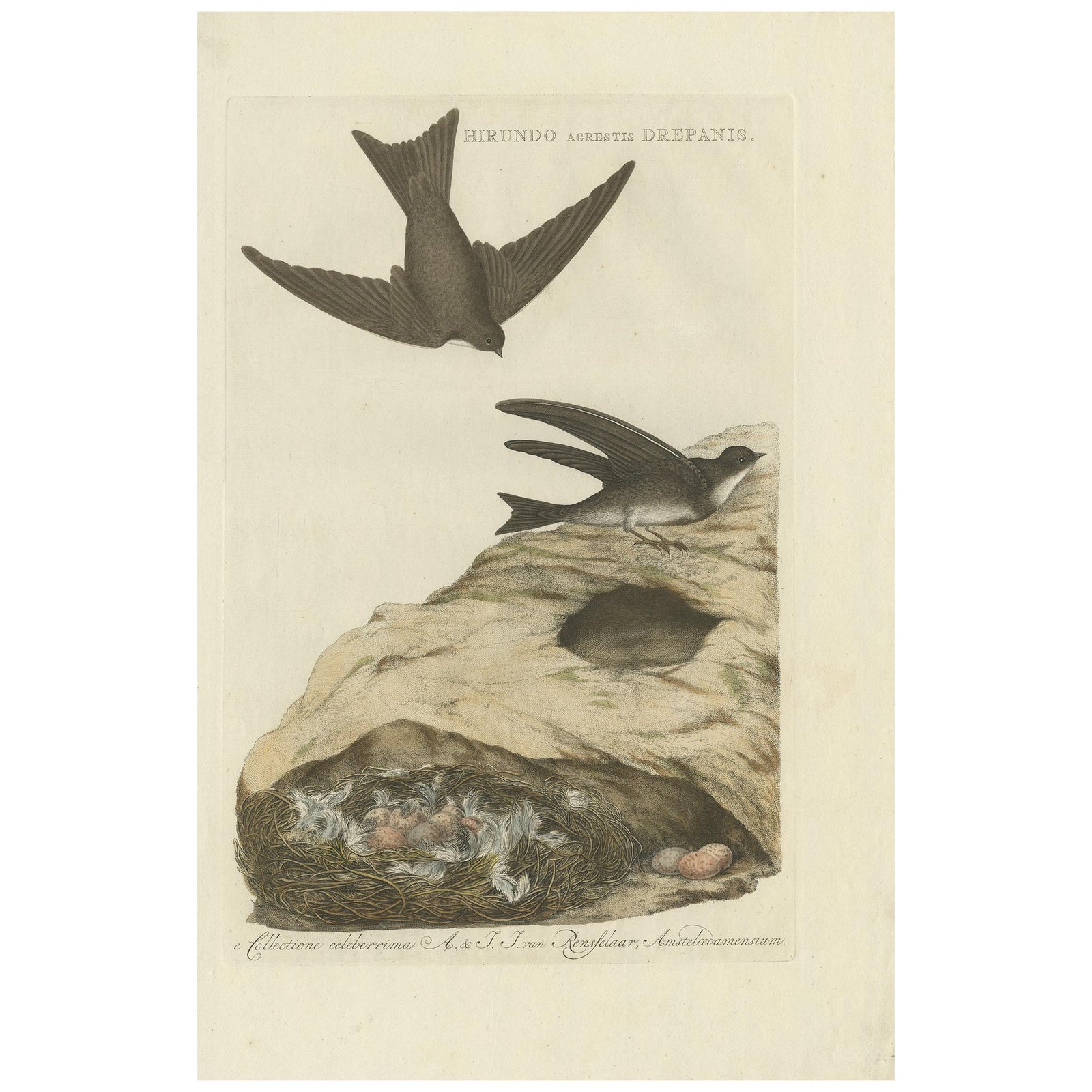
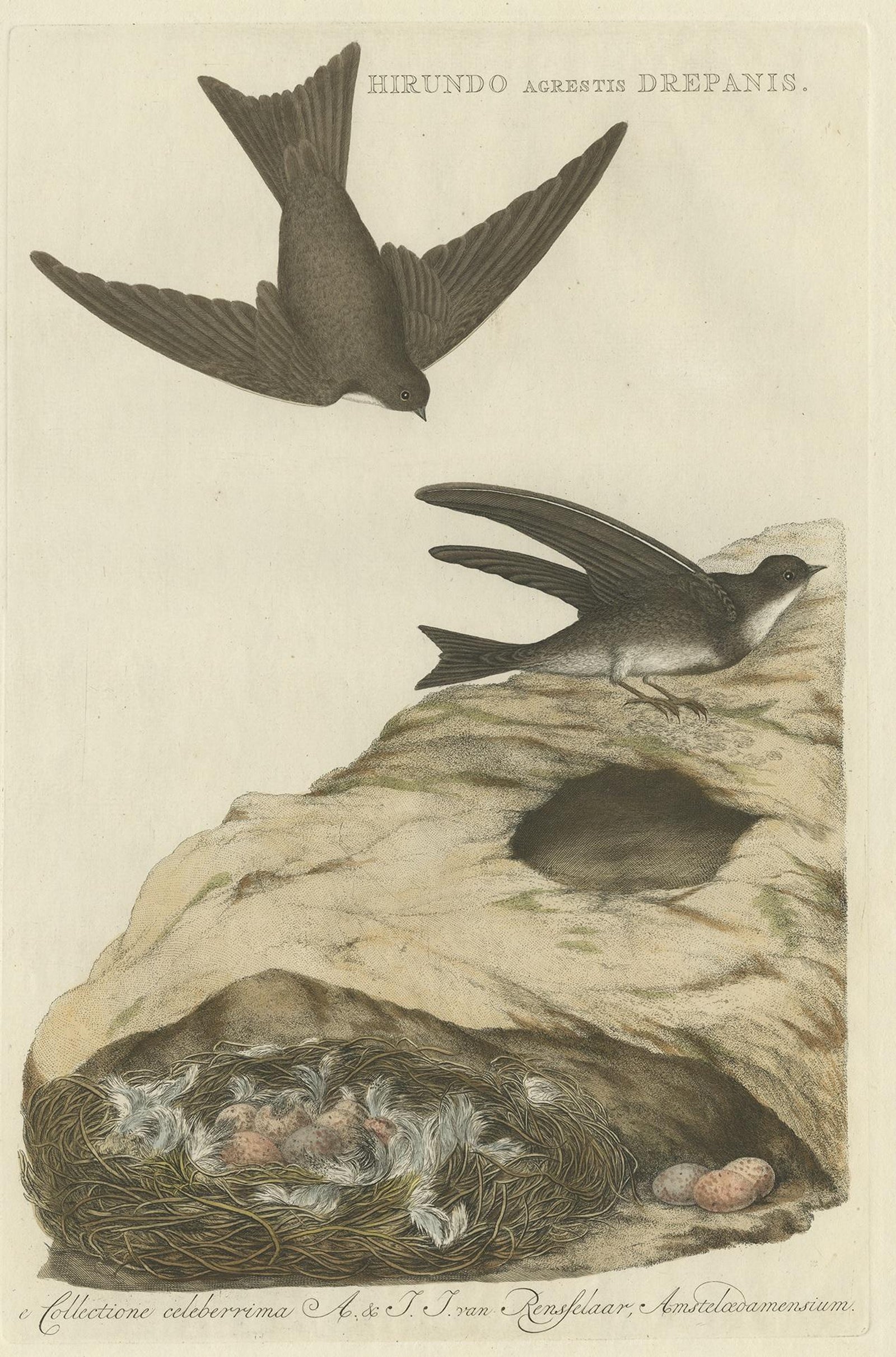
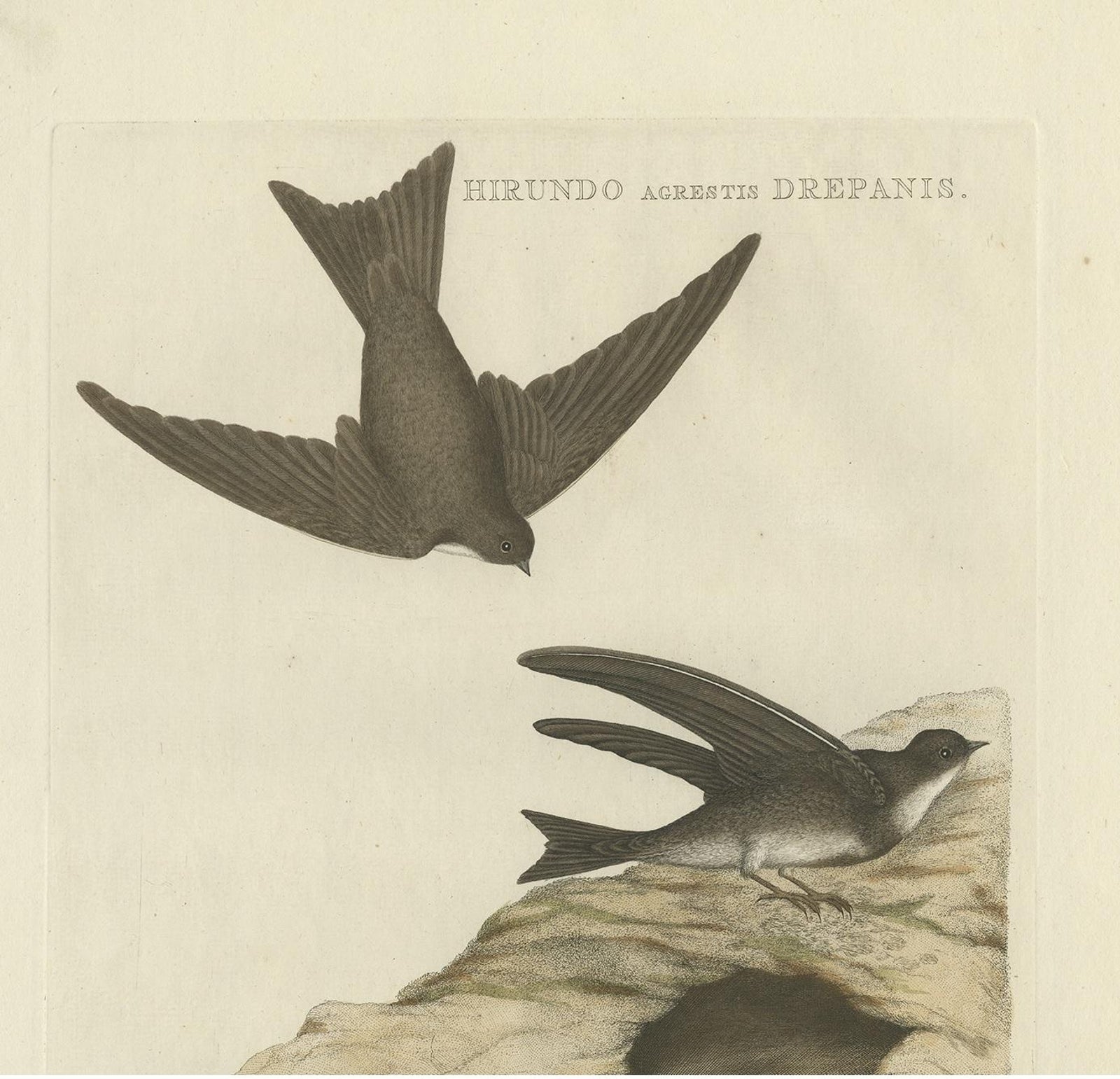
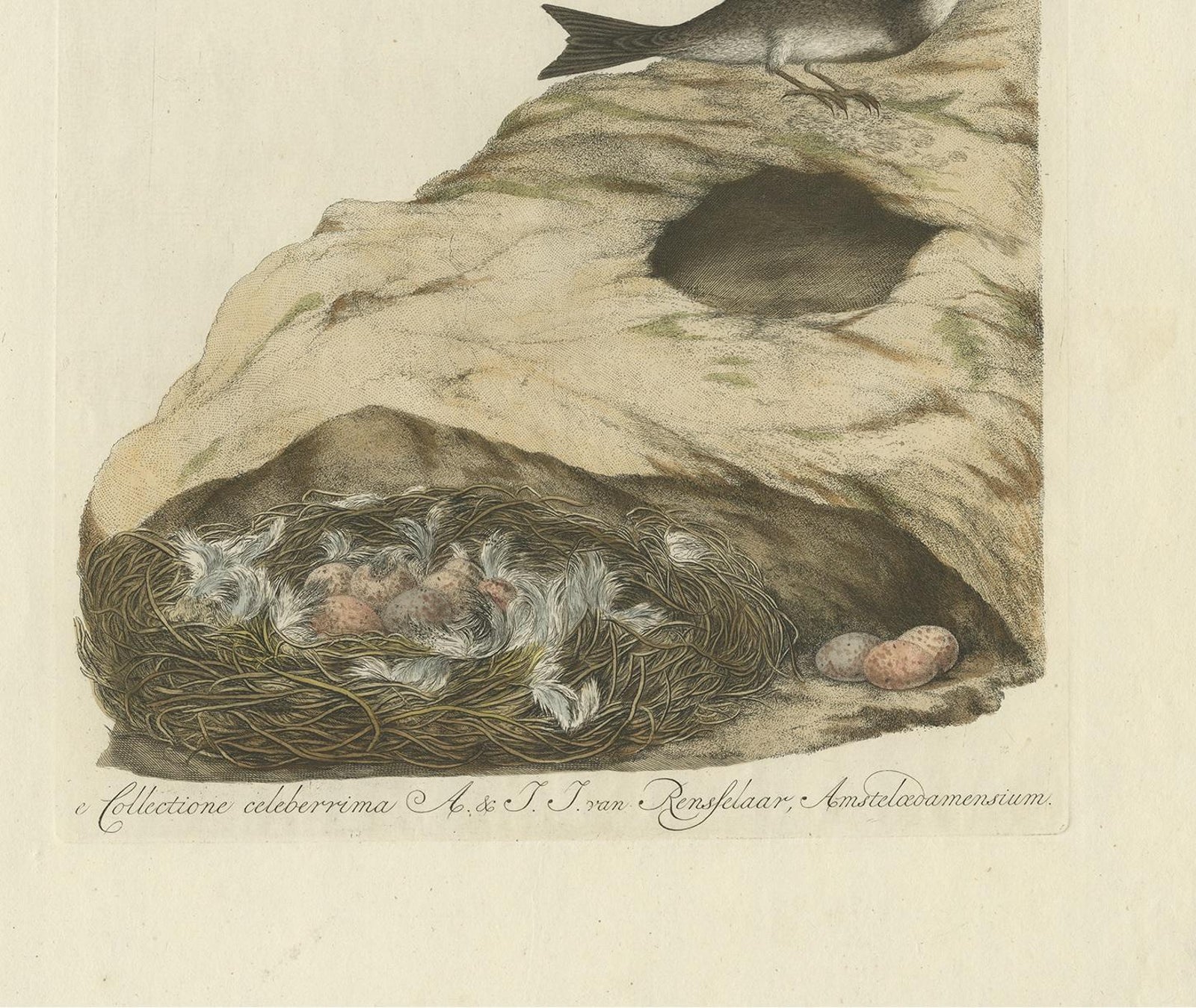
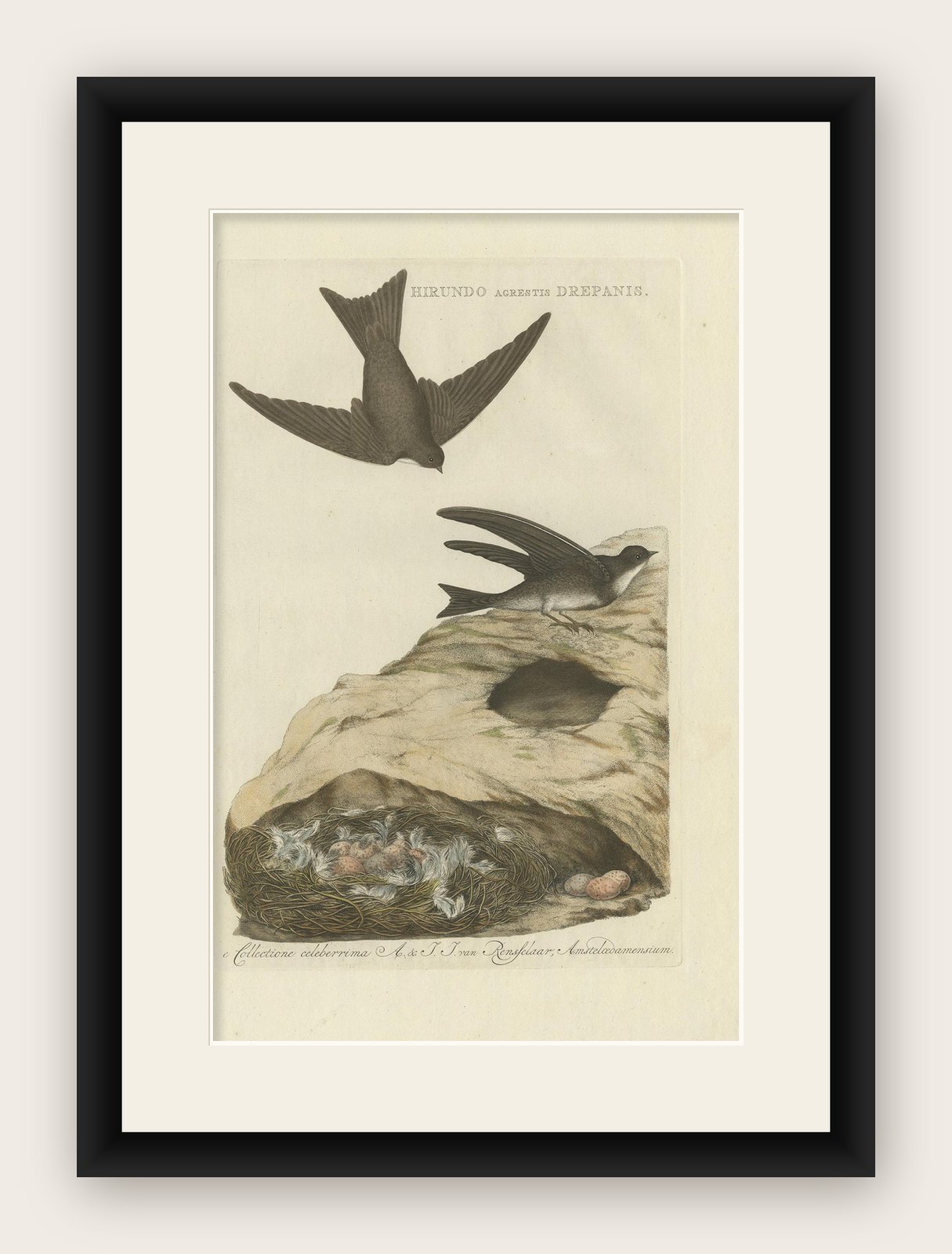
Antique Bird Print of the Sand Martin by Sepp & Nozeman, 1770
£550 ($730, €650)
Period original, not a reproduction.
Shipped from the Netherlands, flat, insured and tracked, worldwide. Returns accepted within 14 days.
- Date
- 1770
- Size
- 20.5 × 13.6 in (52 × 34.5 cm)
- Condition
- Good. Very good condition, please study image carefully.
- Period
- 18th century
- Artist or book
- Nozeman and Sepp
- Section
- Birds
- Reference
- f_11955441
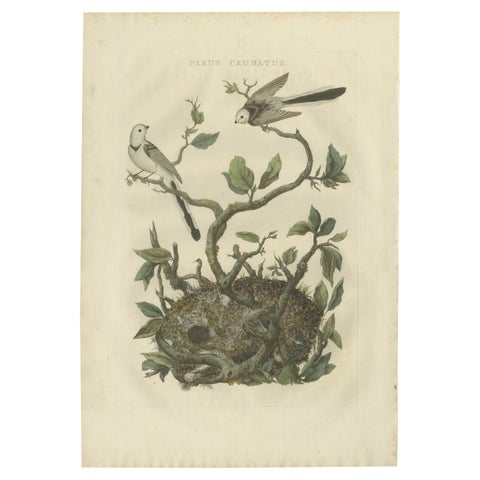
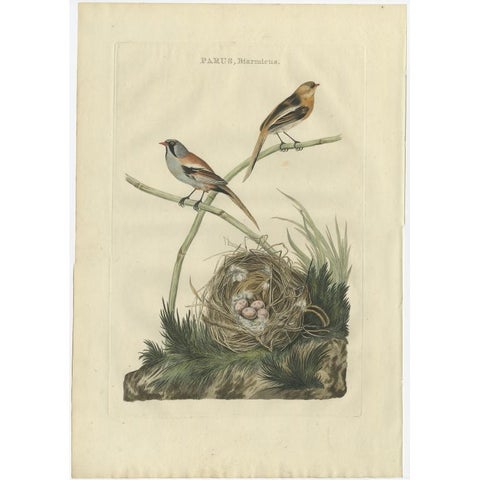
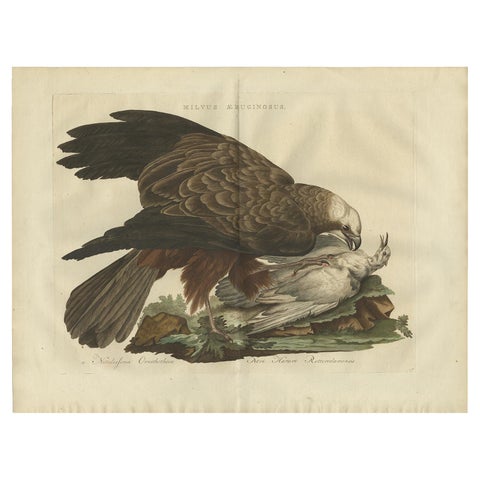
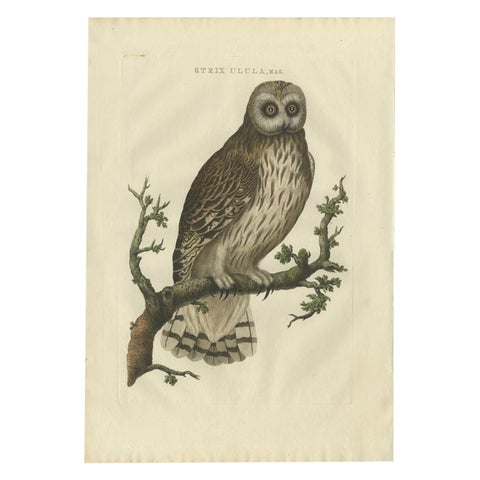
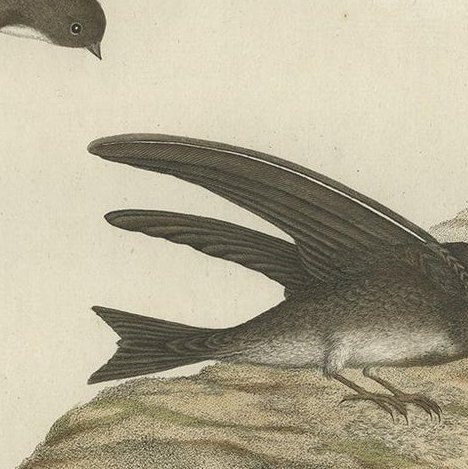
Antique print titled ‘Hirundo Agrestis Drepanis'. This print depicts the sand martin with nest and eggs (Dutch: oeverzwaluw). The sand martin (Riparia riparia) or European sand martin, bank swallow in the Americas, and collared sand martin in the Indian Subcontinent, is a migratory passerine bird in the swallow family. It has a wide range in summer, embracing practically the whole of Europe and the Mediterranean countries, part of northern Asia and also North America. It winters in eastern and southern Africa, South America and the Indian Subcontinent.
This print originates from 'Nederlandsche Vogelen; volgens hunne huisdouding, aert, en eigenschappen beschreeven", Amsterdam, 1770-1829 by C. Nozeman, M. Houttuyn and J.C. Sepp. This is the most important and first study in the Netherlands of ornithology at that time. The birds are depicted as they are in life, said to be depicted close to life sized and in their environment.