Close-ups
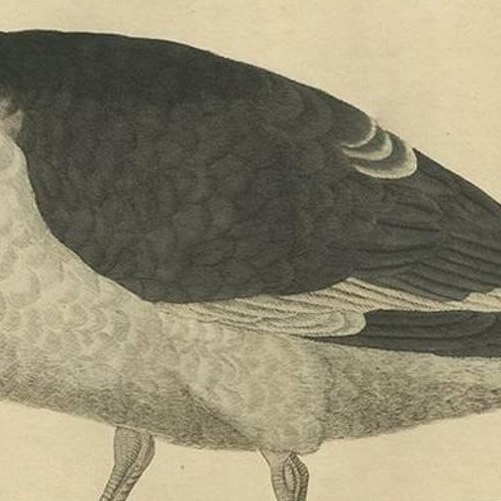
Framed and on the wall
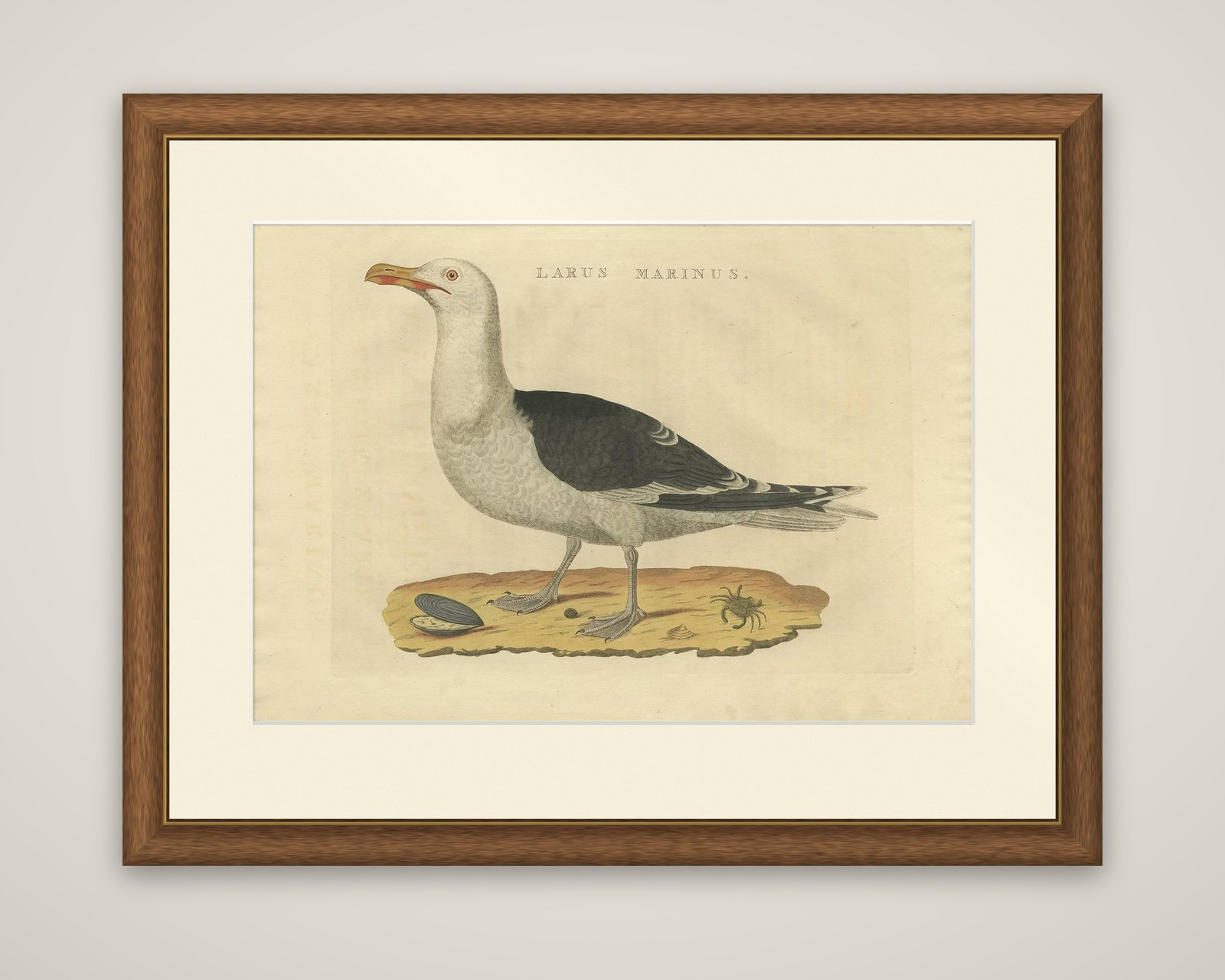
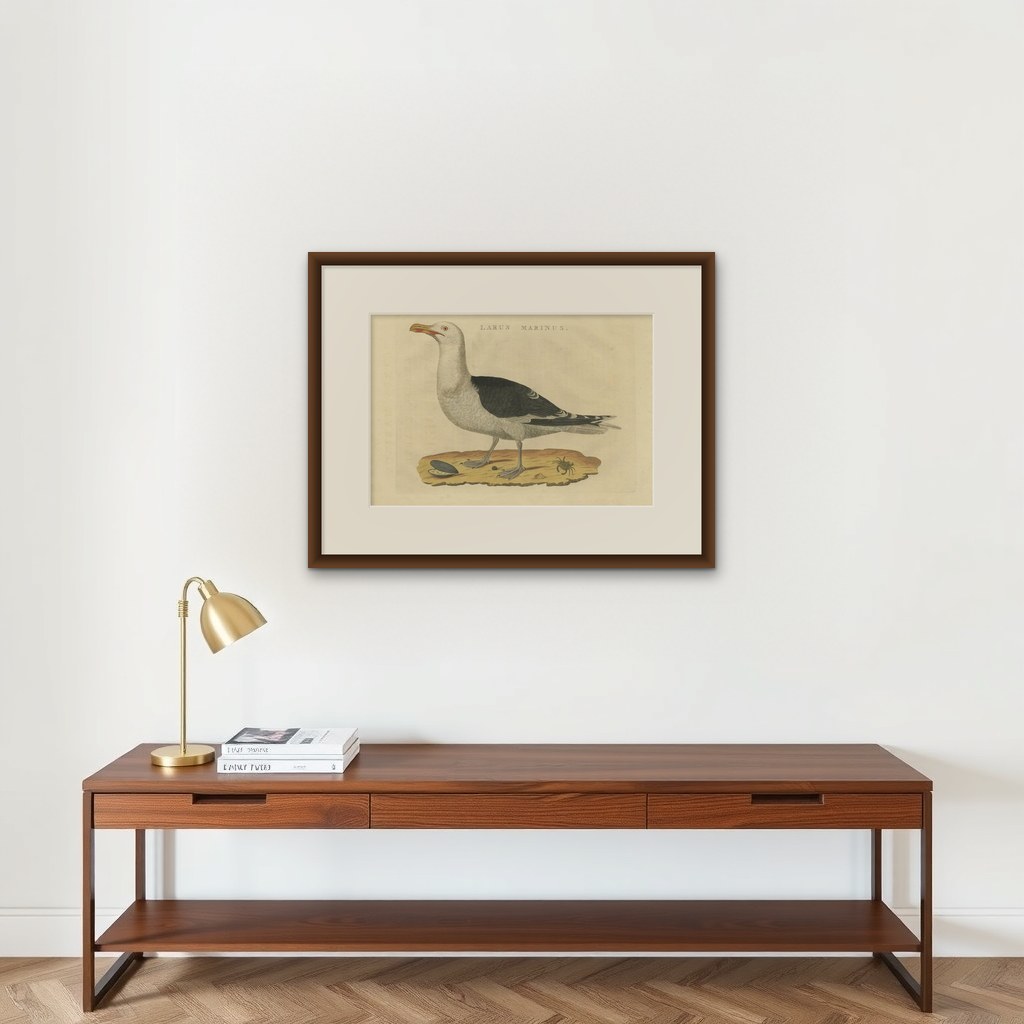

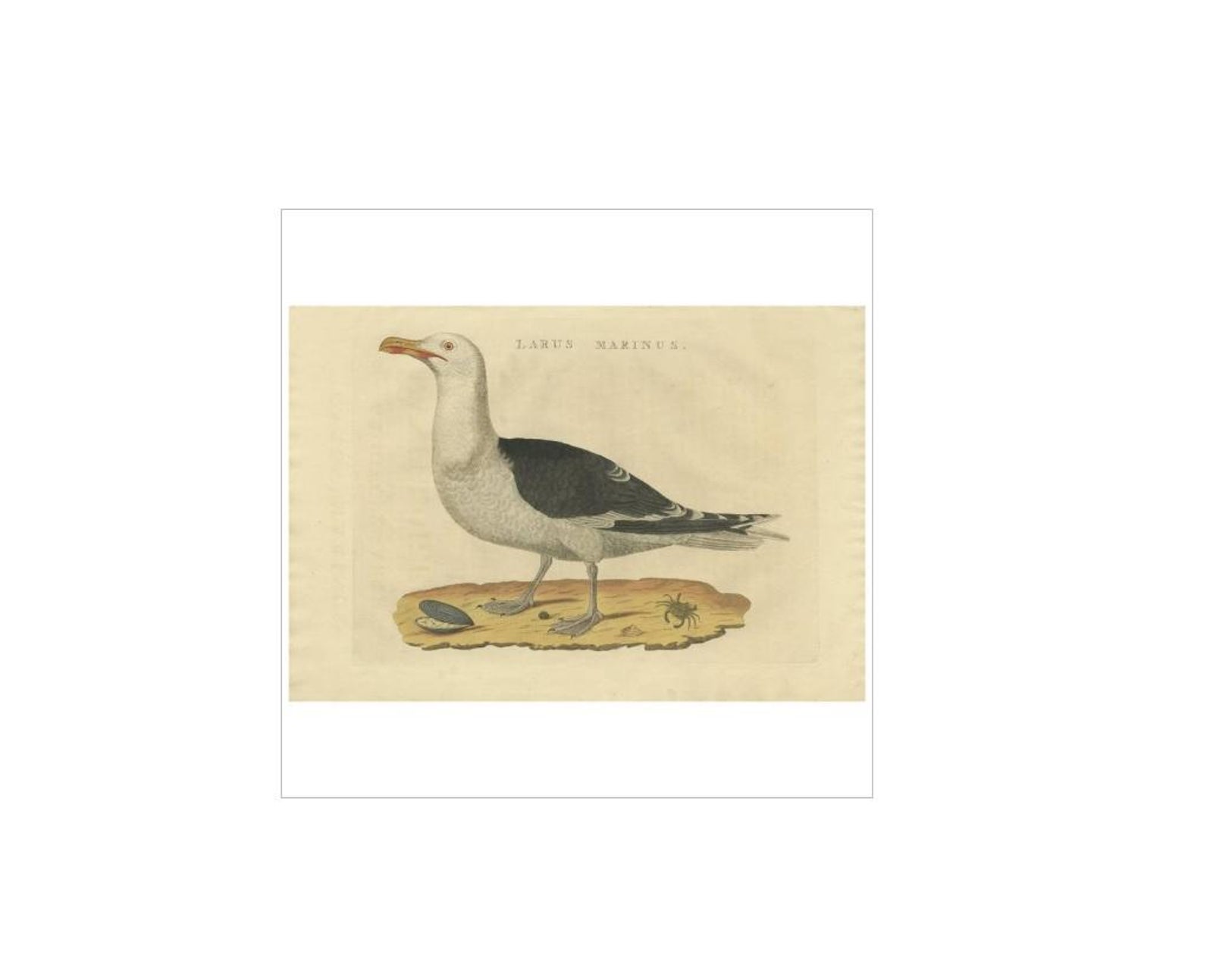
Frame and rooms are illustrations of how the print could look; the description says what is included.
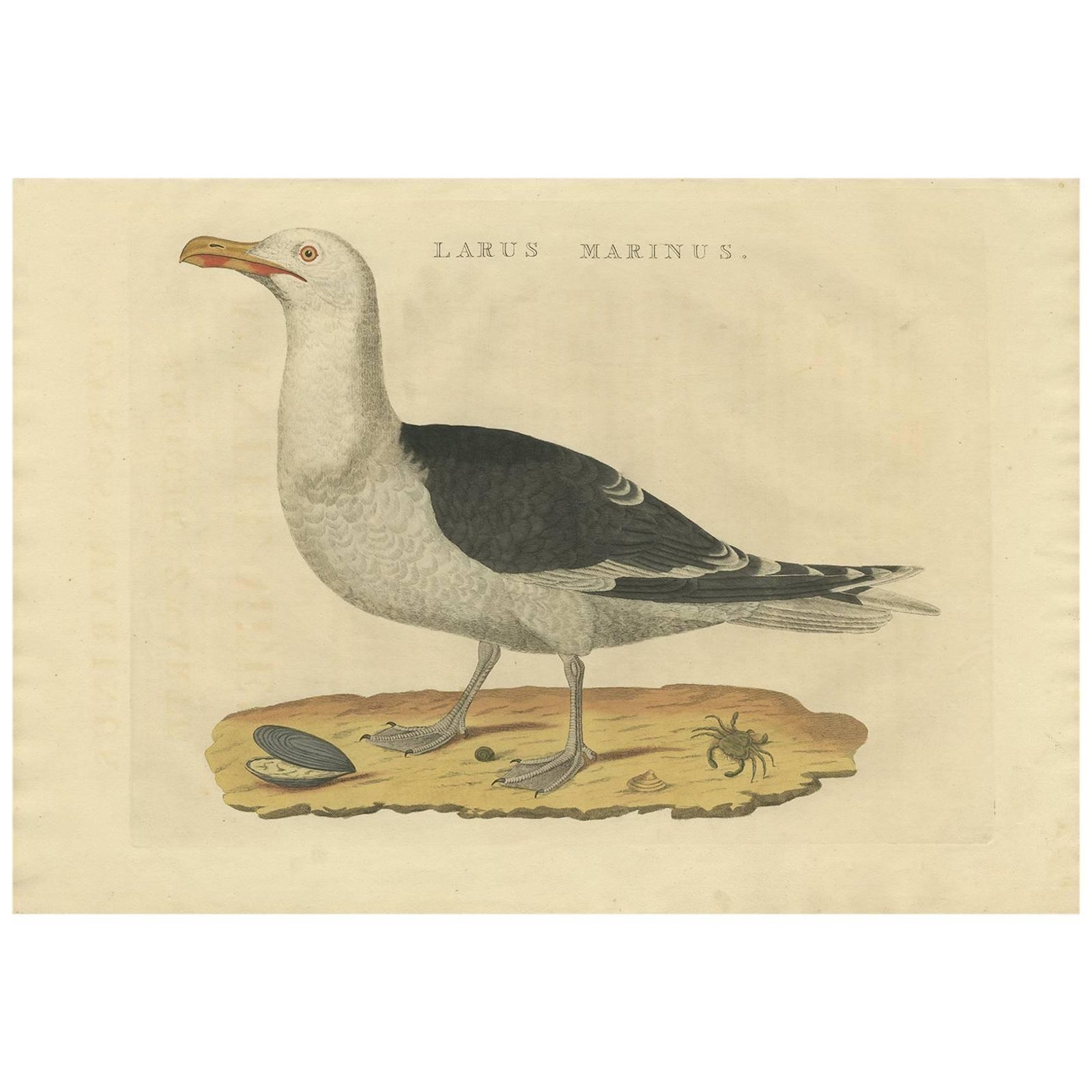
Antique Bird Print of the Great Black-Backed Gull by Sepp & Nozeman, 1829
€659 ($735, £555, €659)
Period original, not a reproduction.
Shipped from the Netherlands, flat, insured and tracked, worldwide. Returns accepted within 14 days.
- Date
- 1829
- Size
- 21.1 × 14.6 in (53.5 × 37 cm)
- Technique
- Engraved
- Condition
- Good. Original text page included. Please study image carefully.
- Period
- Early 19th century
- Artist or book
- Nozeman and Sepp
- Section
- Birds
- Reference
- f_10950861
- Colour
- Hand coloured
What the condition grades mean
- Excellent
- Bright and clean, with no faults worth mentioning.
- Very good
- Only light signs of age, such as faint toning.
- Good
- Normal signs of age for a sheet of this period: toning, some foxing, small marks or neat old repairs.
- Fair
- Clear faults such as staining, tears or repairs, priced to match.
Every fault we see is written in the condition note, and the whole sheet is shown uncropped in the photos.
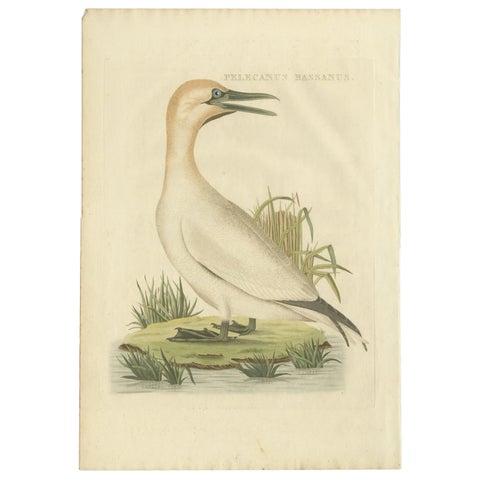
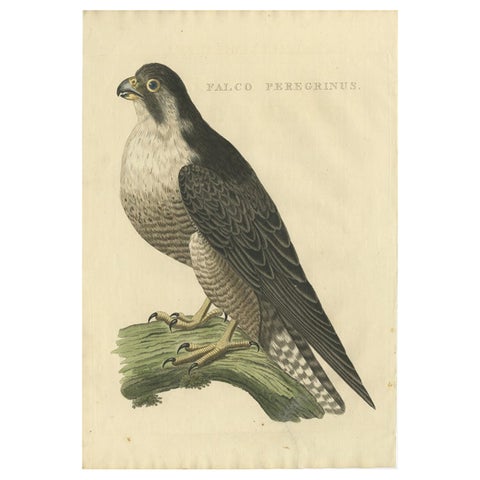
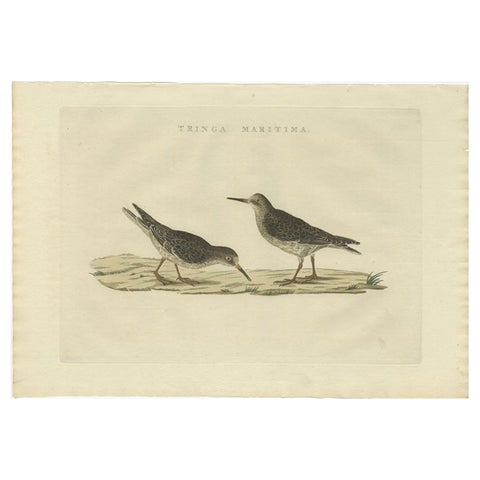
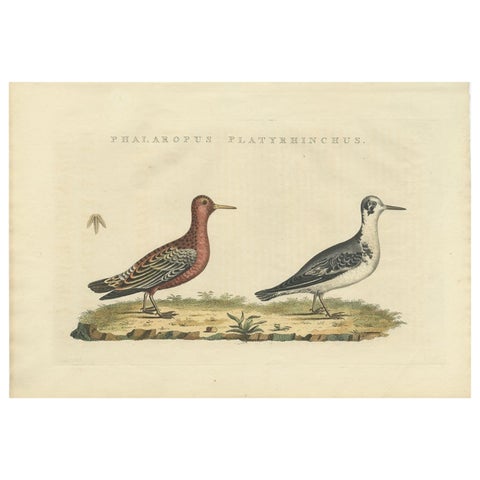
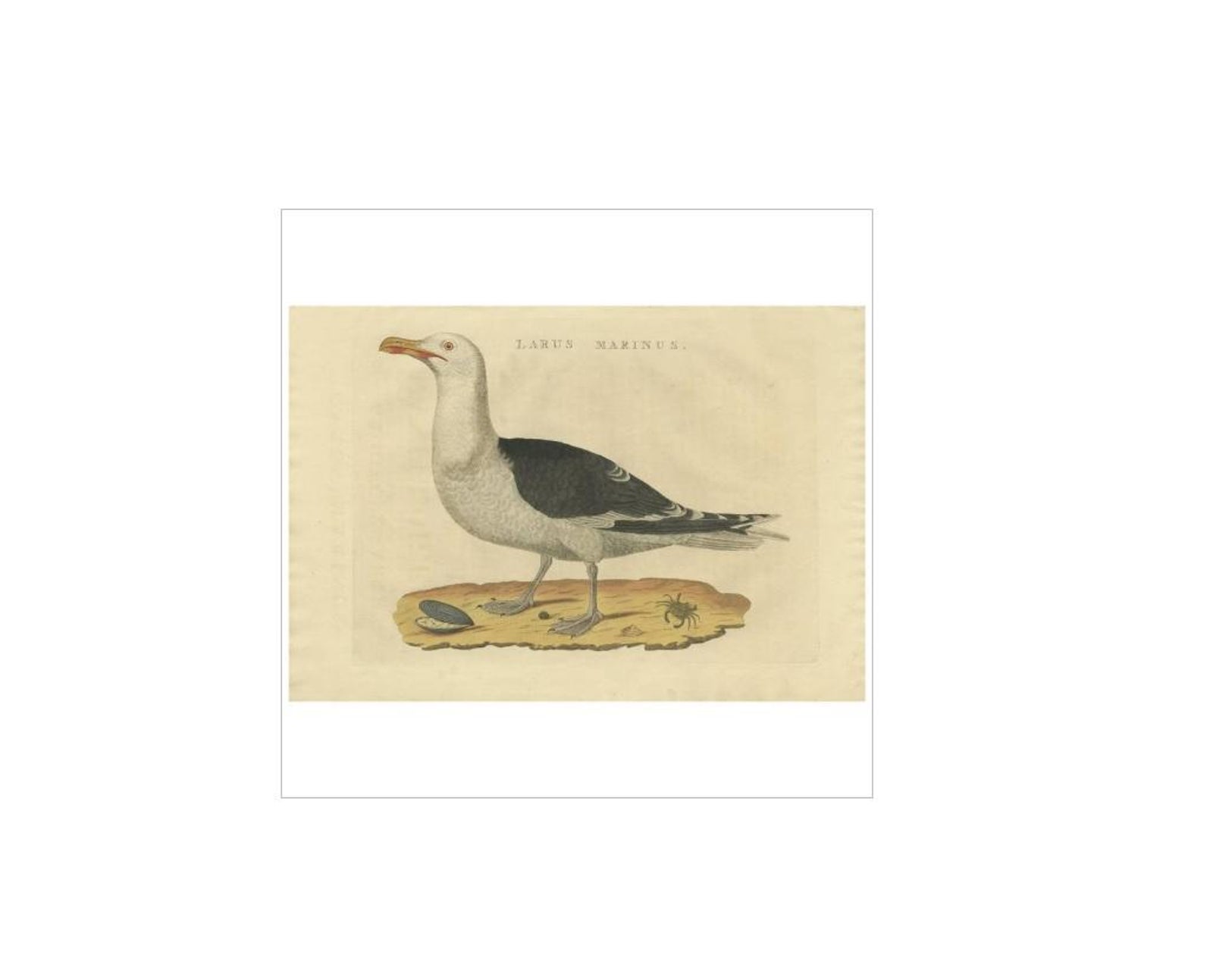
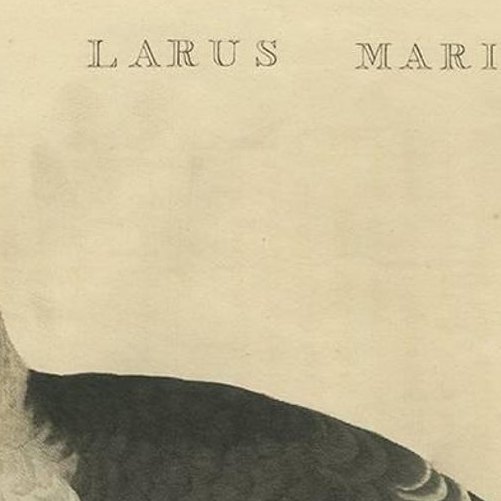
The great black-backed gull, plate "Larus Marinus," an engraving with hand color from Nederlandsche Vogelen, the Dutch bird book by Cornelius Nozeman, Martinus Houttuyn and Jan Christiaan Sepp, published in Amsterdam between 1770 and 1829. The scientific name is lettered at the top of the sheet.
The gull stands in profile on a patch of yellow sand, its white head, neck and underparts set against a dark gray back and wings edged with white feathers, with an orange-yellow bill and a red spot on it, pale legs and webbed feet. A mussel shell and a small crab lie on the sand beside it, and the soft stipple of the breast and the layered wing feathers are rendered feather by feather.
The great black-backed gull (Larus marinus) is the largest member of the gull family. It breeds on the European and North American coasts and islands of the North Atlantic and is fairly sedentary, though some move south or inland to large lakes.
Nederlandsche Vogelen is regarded as the first major Dutch study of ornithology, and its plates were noted for showing the birds close to life size and in their surroundings.