Close-ups
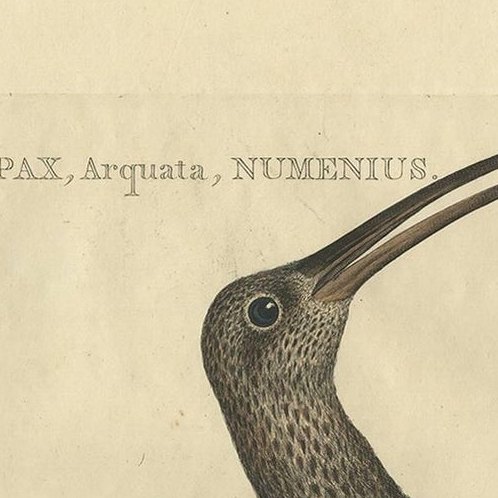
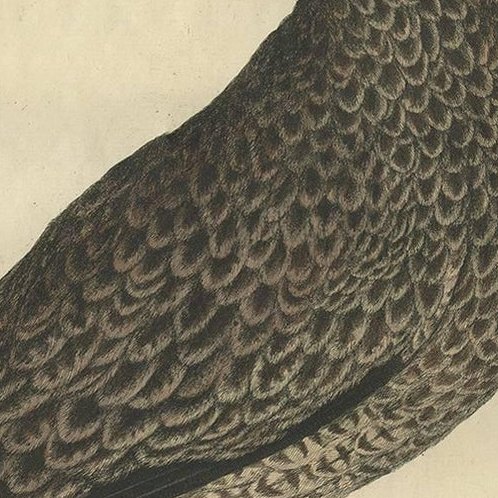
Framed and on the wall
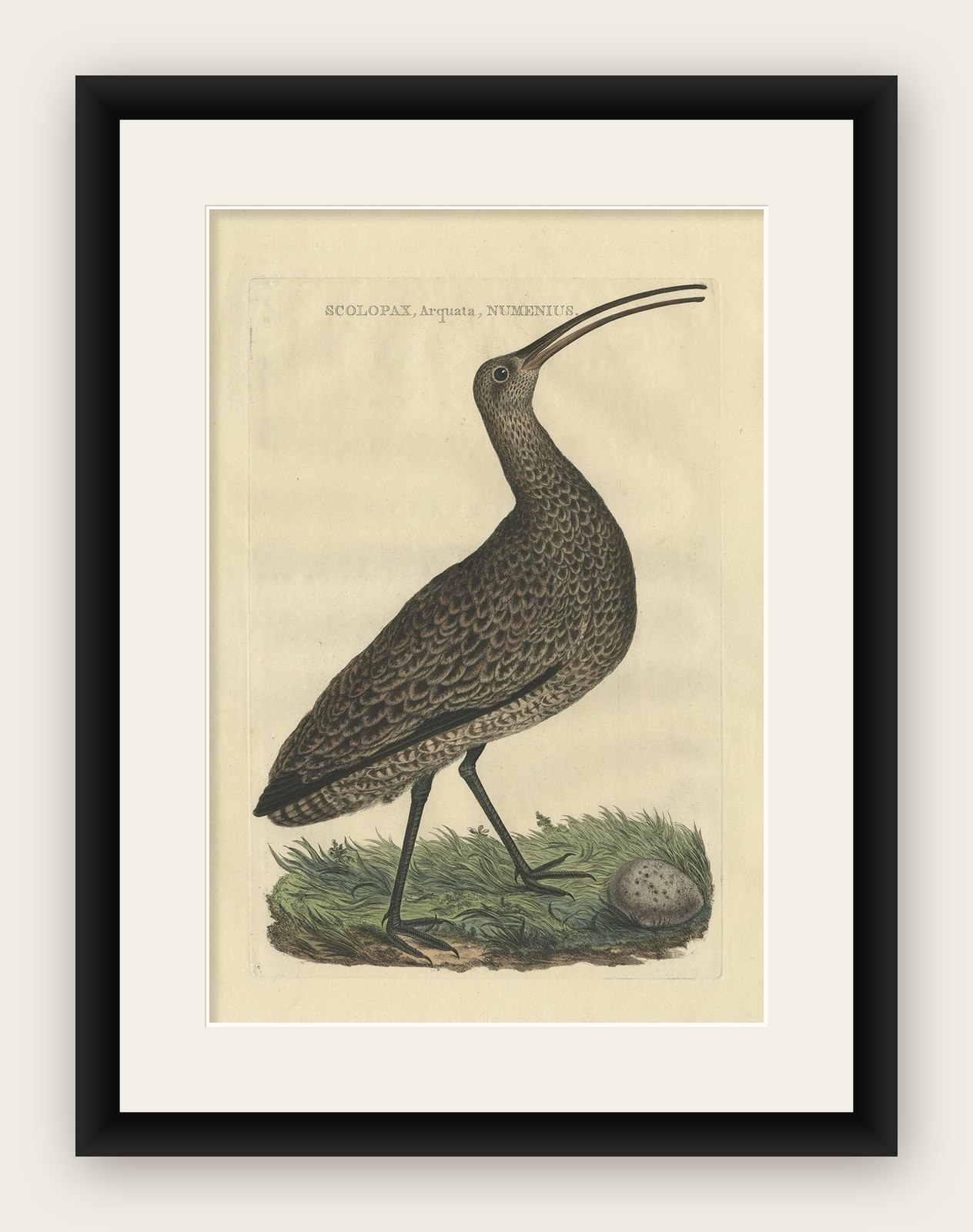
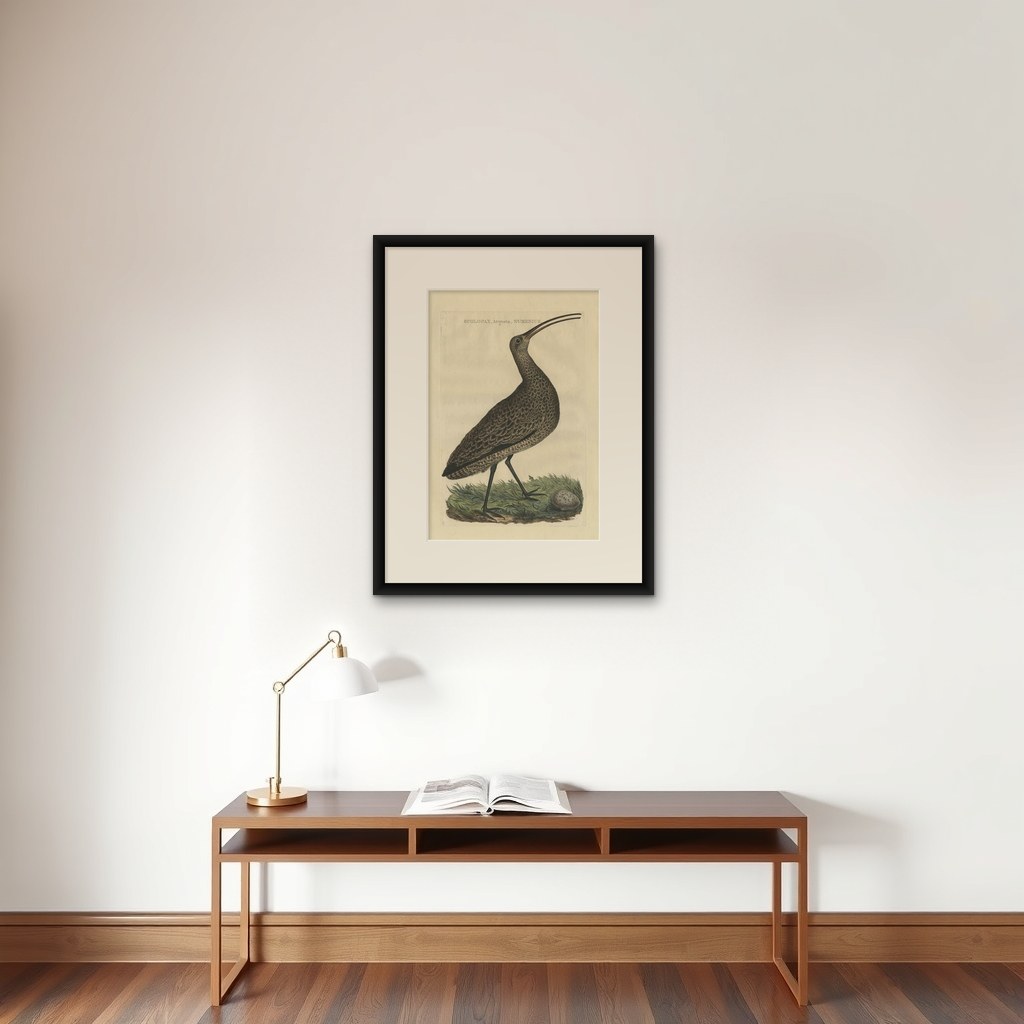
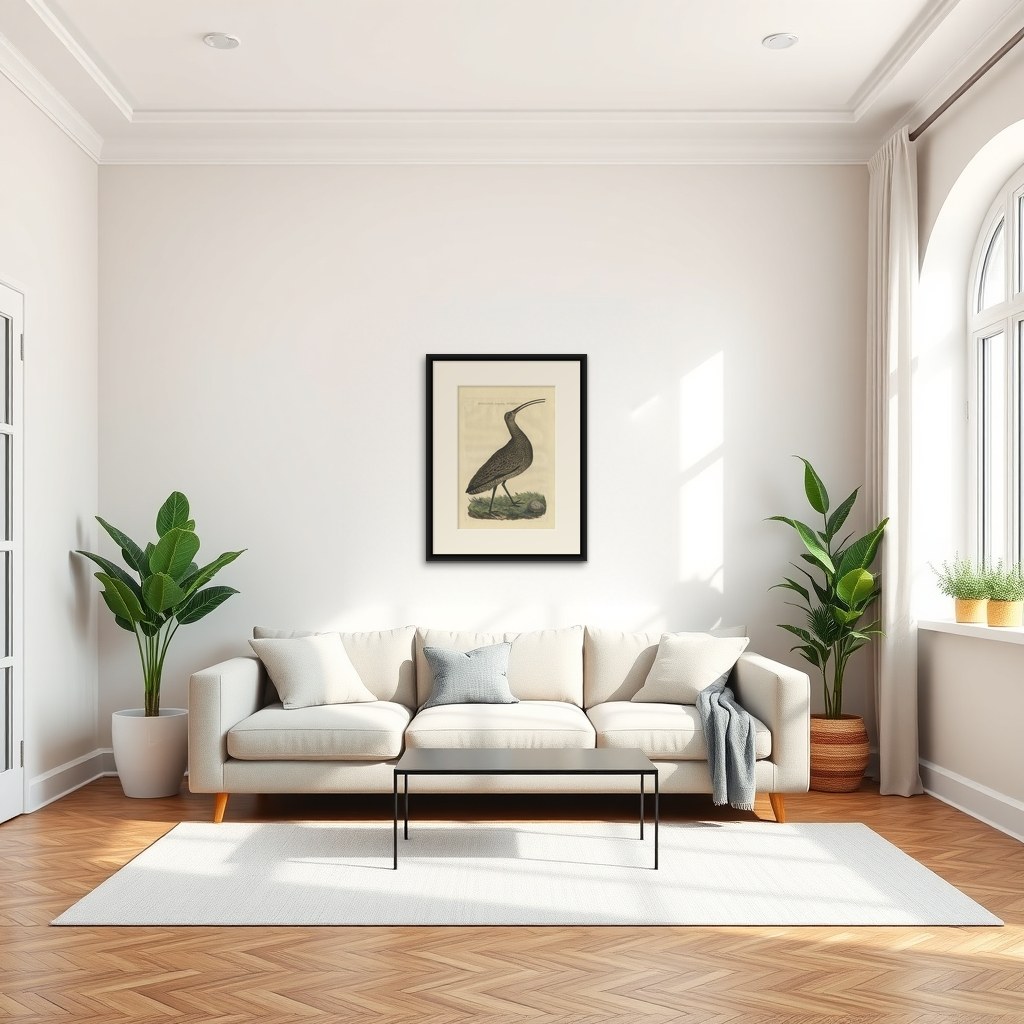
Frame and rooms are illustrations of how the print could look; the description says what is included.
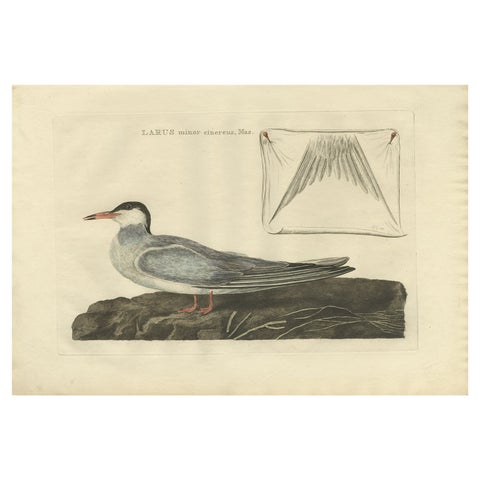
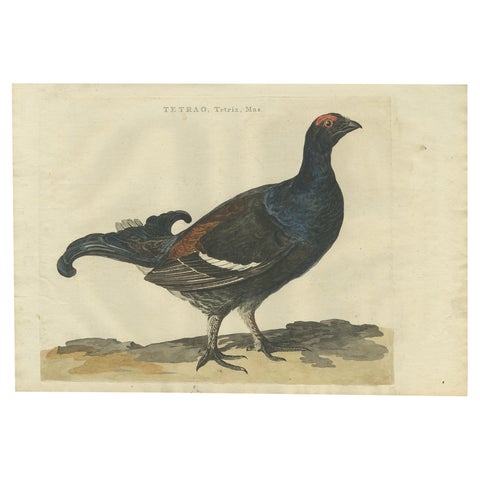
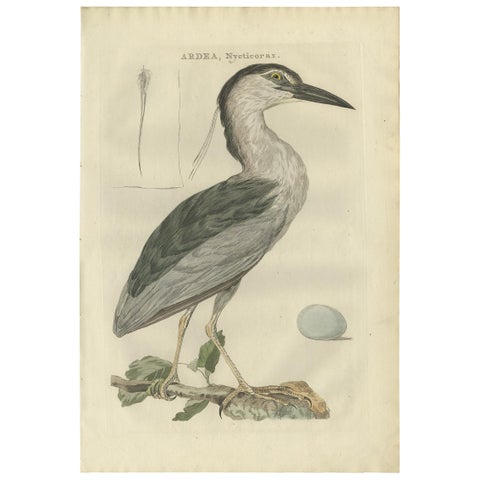
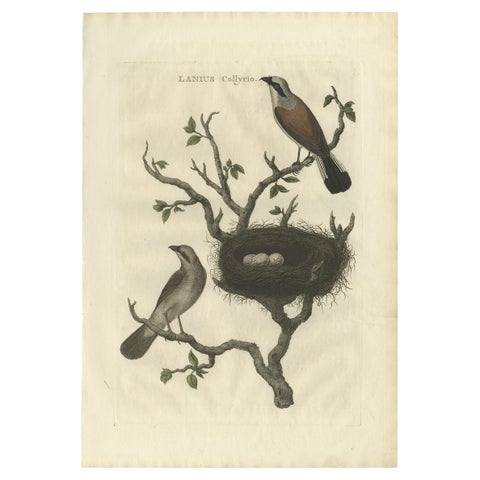
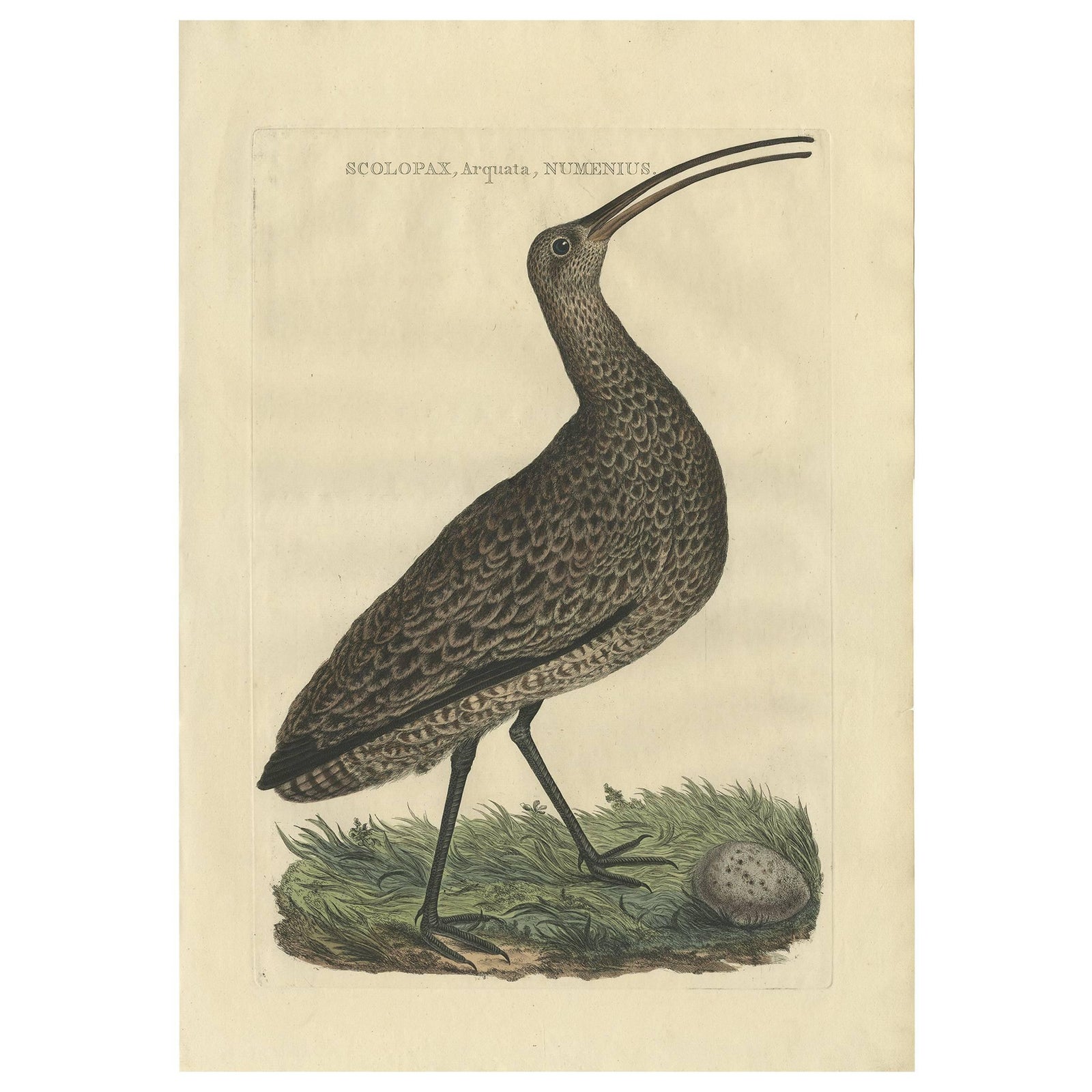
Antique Bird Print of the Eurasian Curlew by Sepp & Nozeman, 1789
$1,625 (£1,230, €1,450)
Period original, not a reproduction.
Shipped from the Netherlands, flat, insured and tracked, worldwide. Returns accepted within 14 days.
- Date
- 1789
- Size
- 21.1 × 14.6 in (53.5 × 37 cm)
- Technique
- Engraved
- Condition
- Good. Very good condition. Original text page included. Please study image carefully.
- Period
- 18th century
- Artist or book
- Nozeman and Sepp
- Section
- Birds
- Reference
- f_10868431
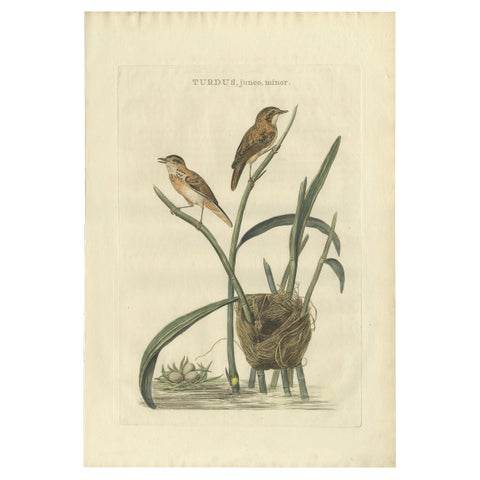
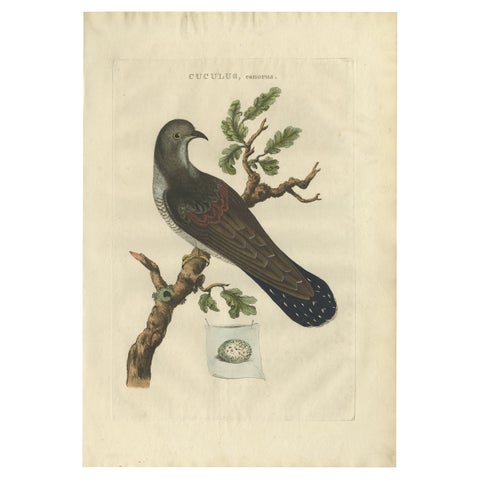
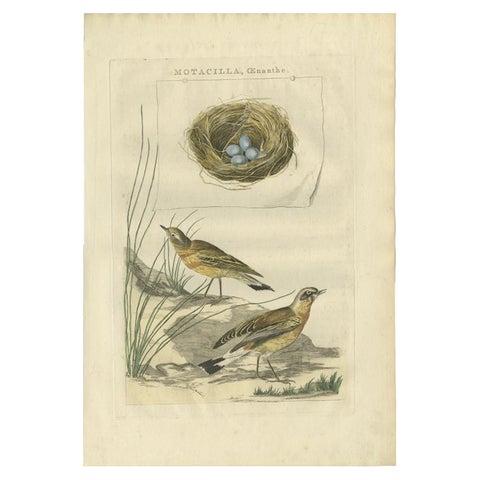
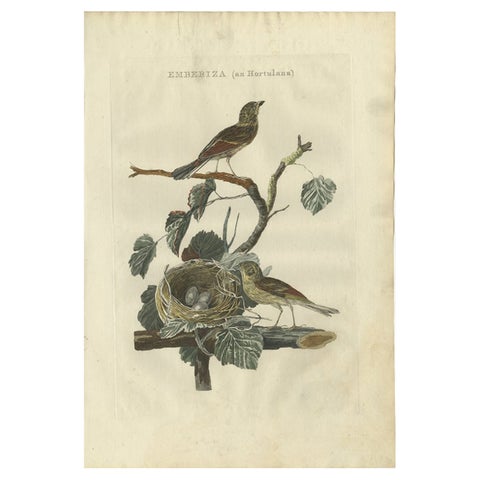
Antique print titled 'Scolopax, Arquata, Numenius'. The Eurasian curlew (Numenius arquata) is a wader in the large family Scolopacidae. It is one of the most widespread of the curlews, breeding across temperate Europe and Asia. In Europe, this species is often referred to just as the "curlew", and in Scotland known as the "whaup" in Scots.
This print originates from 'Nederlandsche Vogelen; volgens hunne huisdouding, aert, en eigenschappen beschreeven", Amsterdam, 1770-1829 by C. Nozeman, M. Houttuyn and J.C. Sepp. This is the most important and first study in the Netherlands of ornithology at that time. The birds are depicted as they are in life, said to be depicted close to life-sized and in their environment.