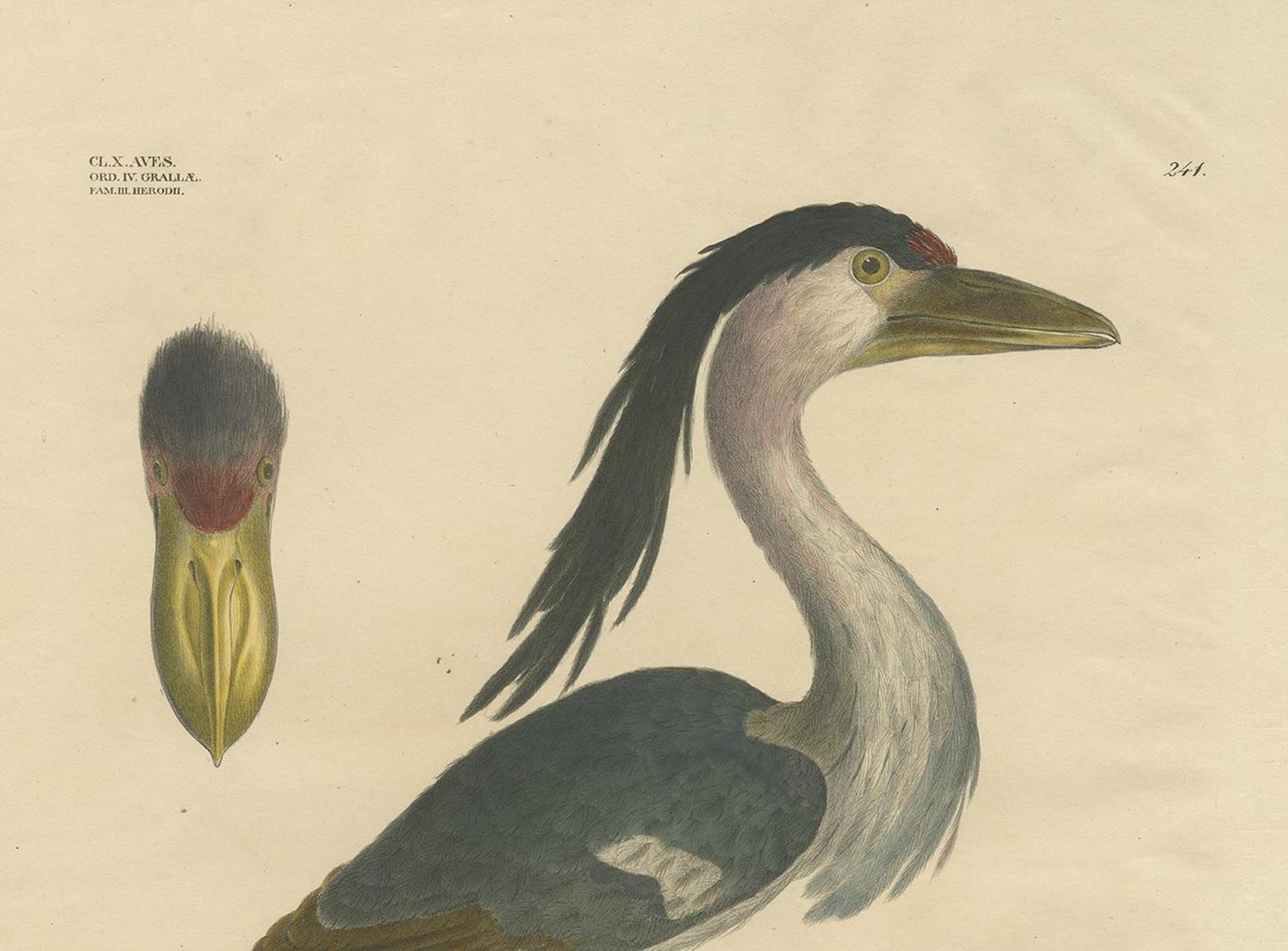
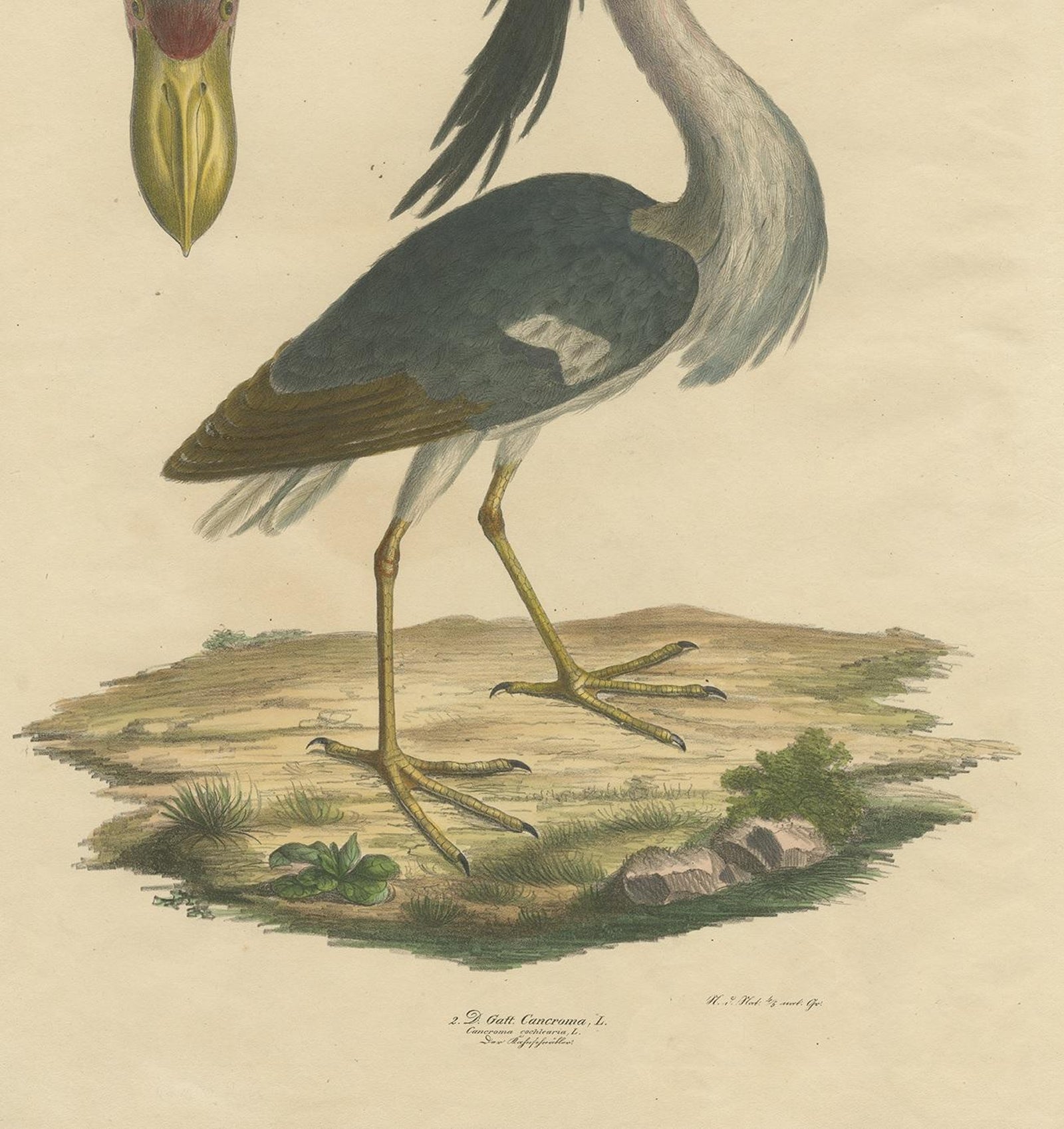
Close-ups
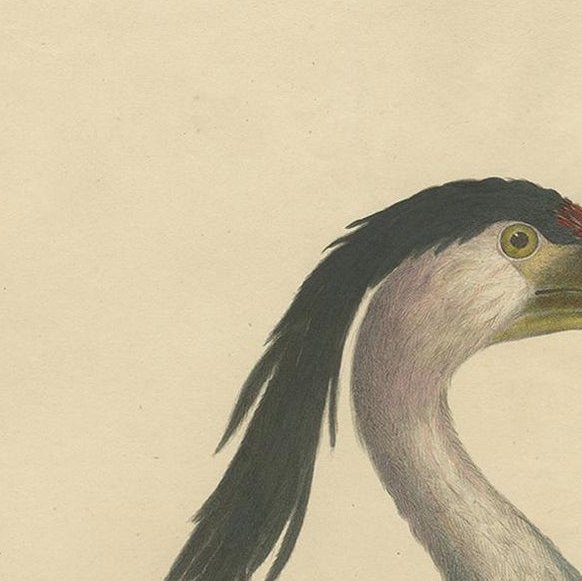
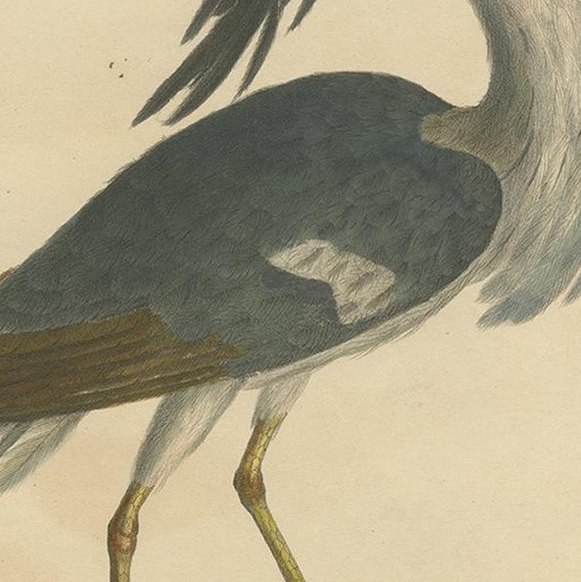
Framed and on the wall
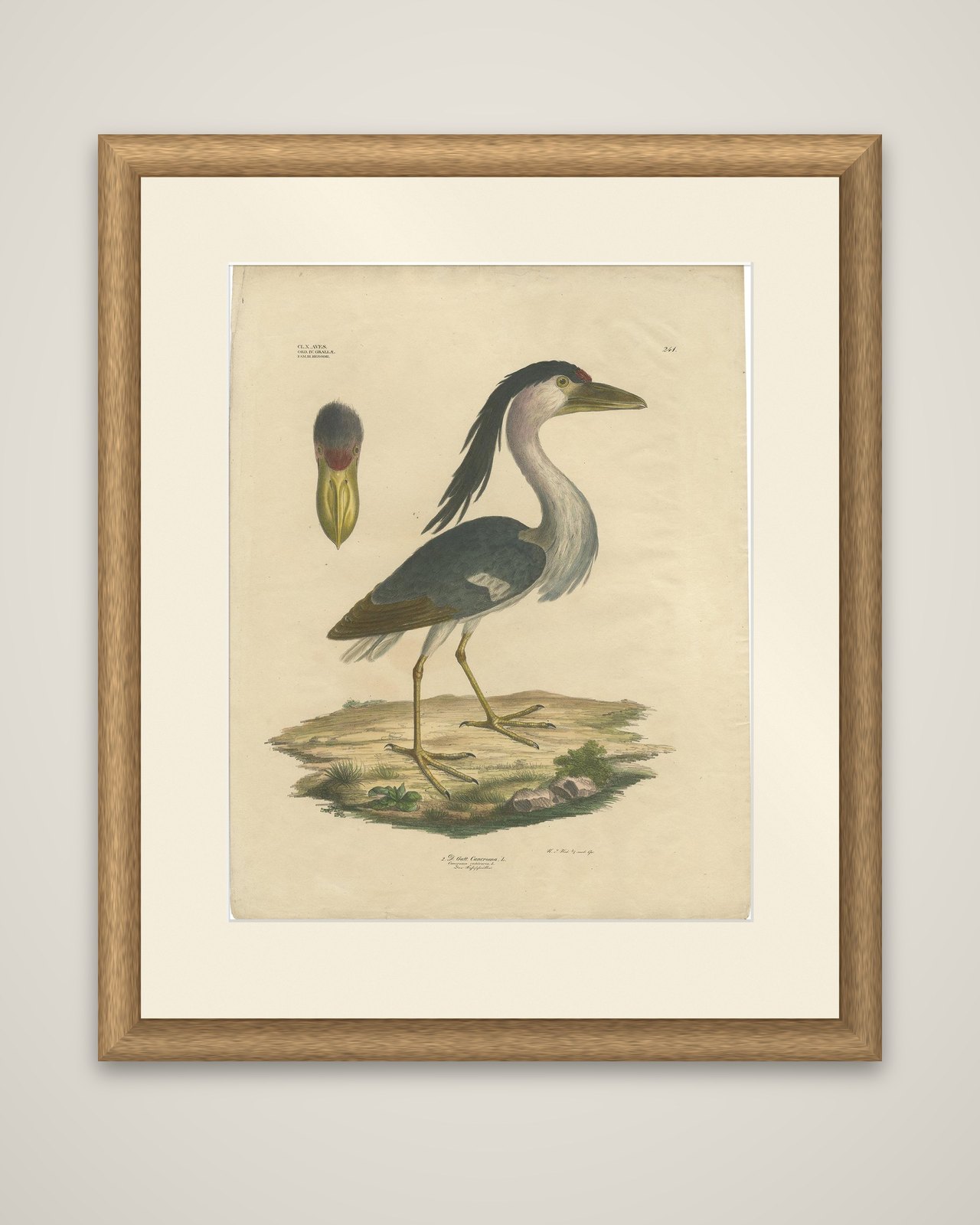
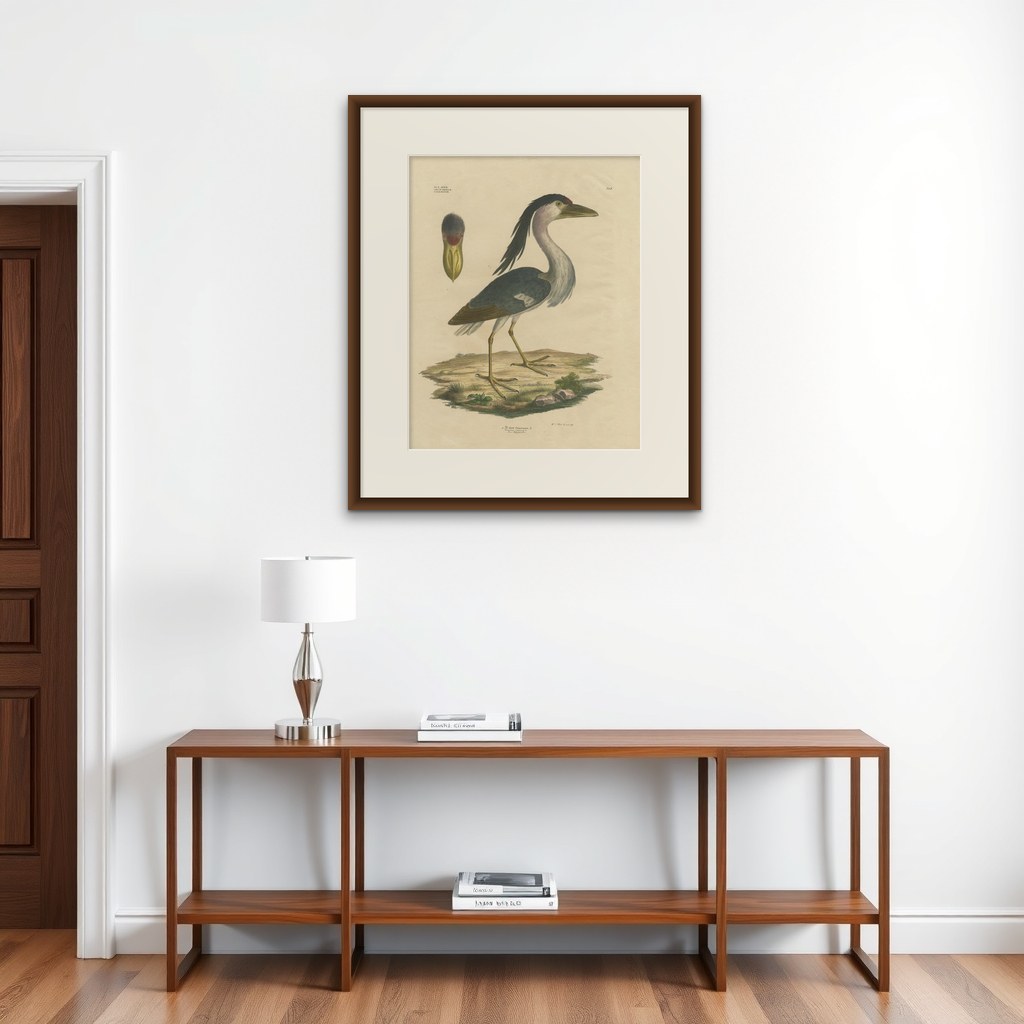
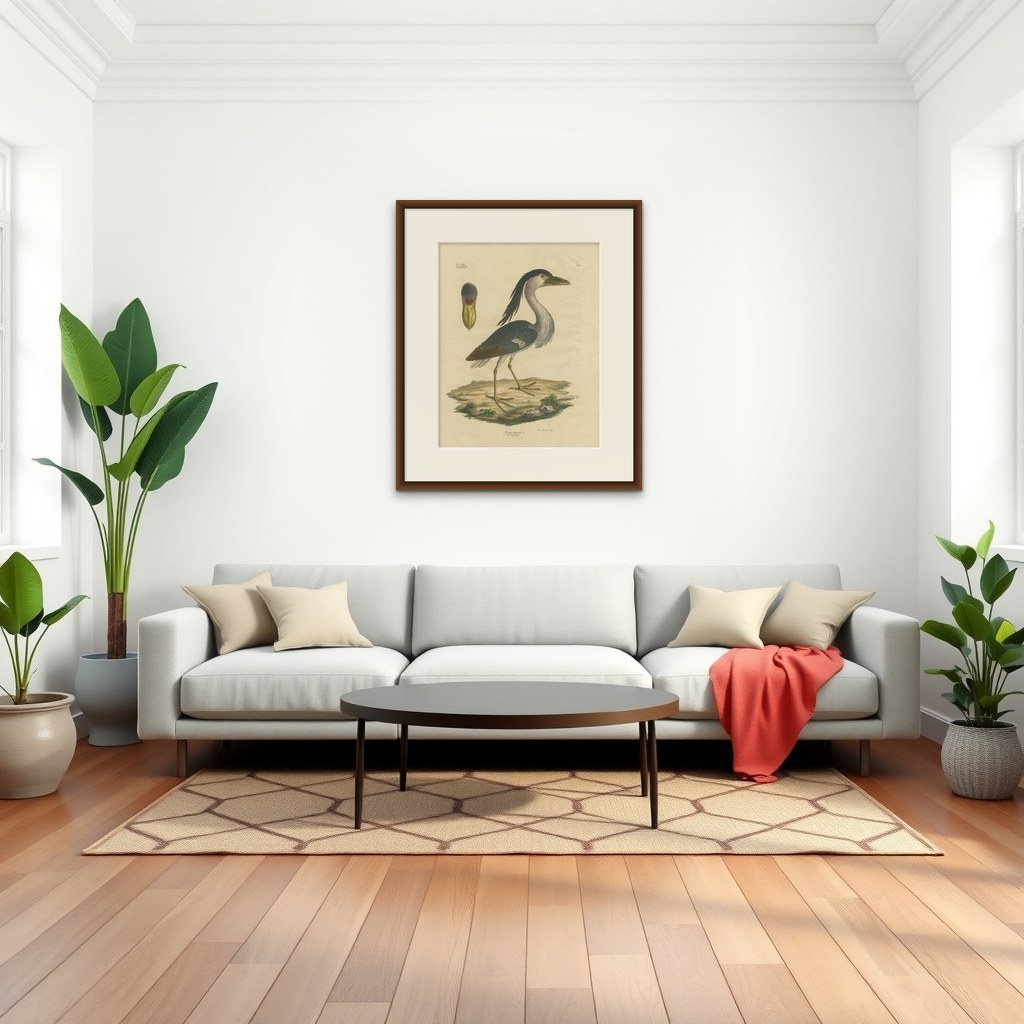
Frame and rooms are illustrations of how the print could look; the description says what is included.
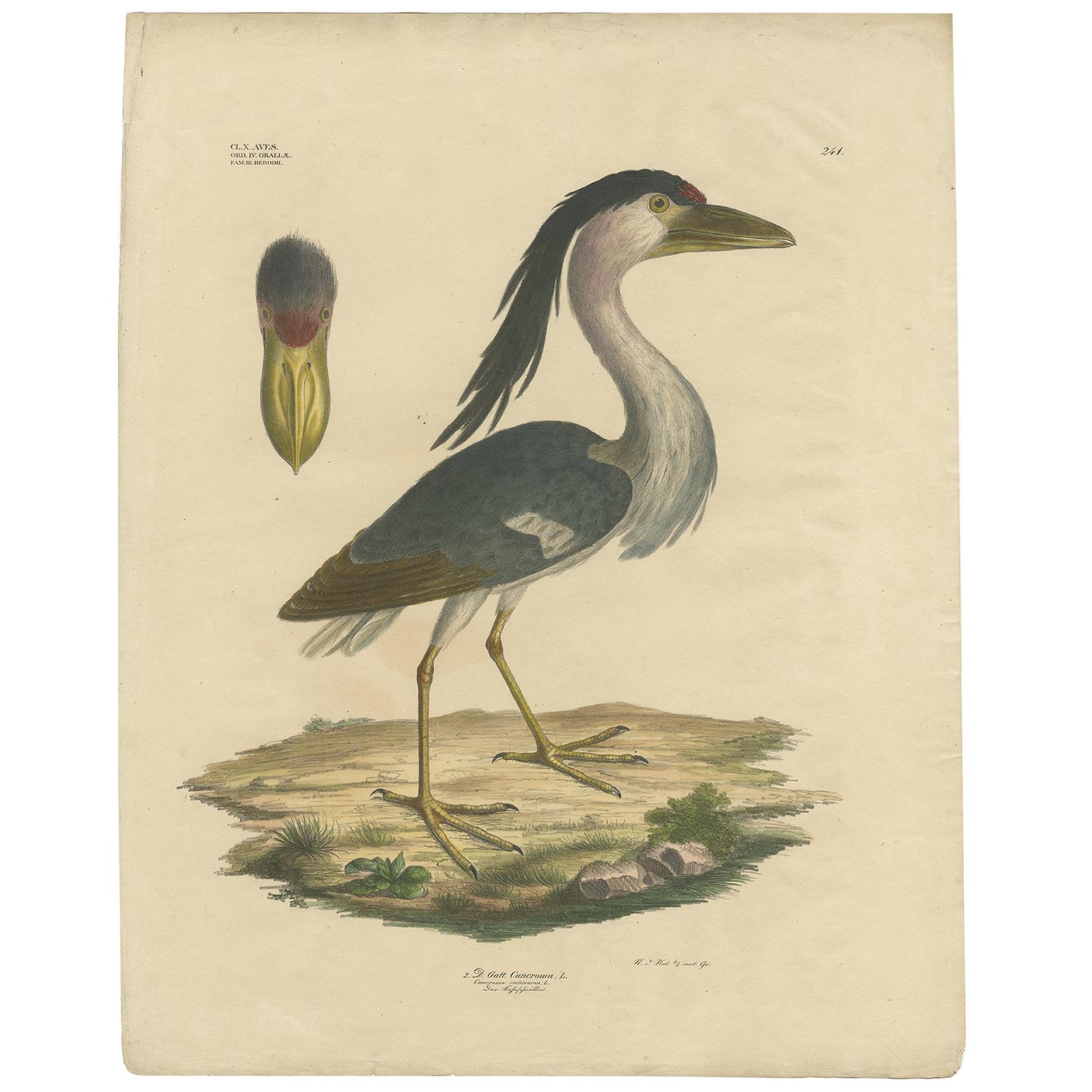
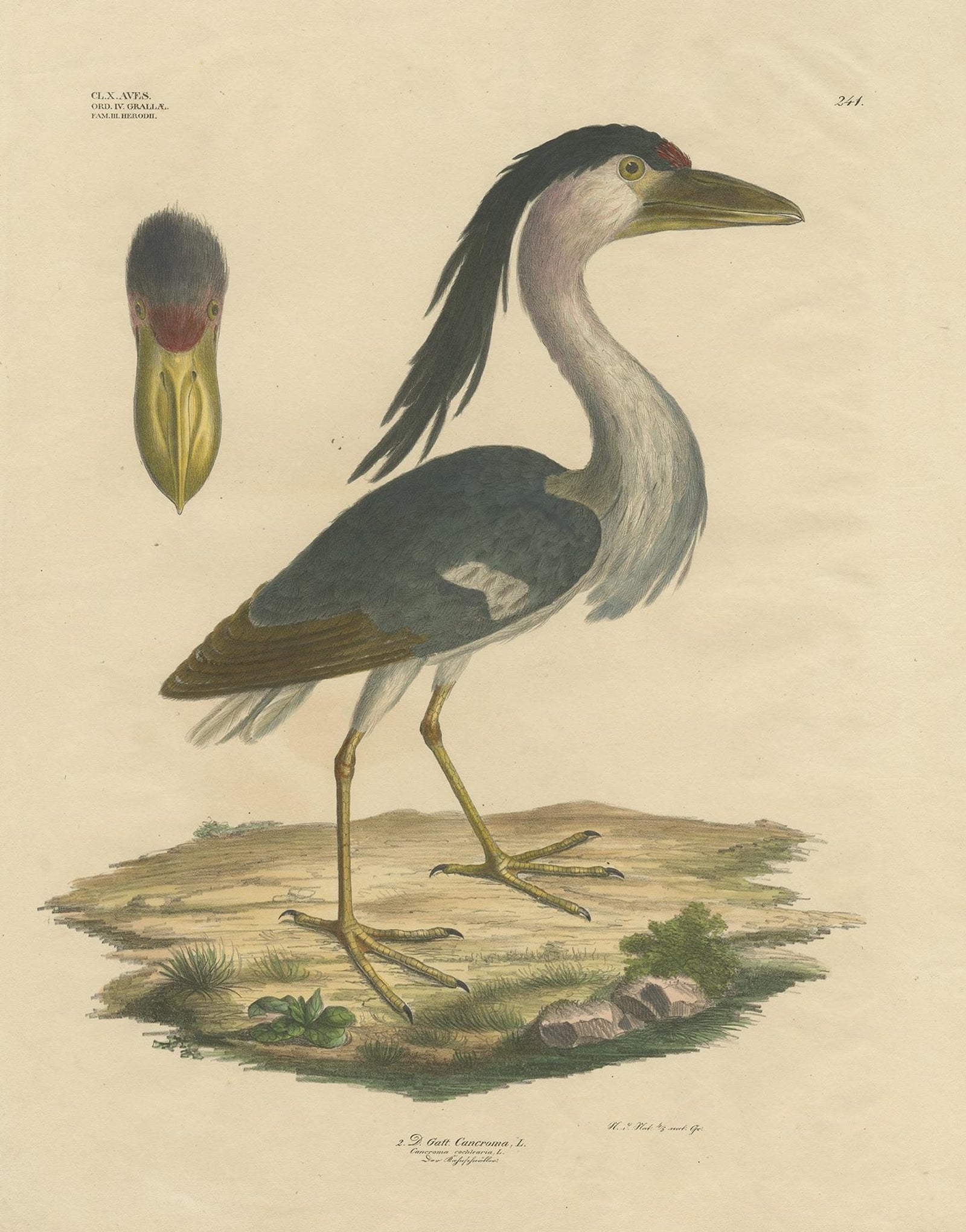
Antique Bird Print of the Boat-Billed Heron by Goldfuss, circa 1824
$1,005 (£760, €900)
Period original, not a reproduction.
Shipped from the Netherlands, flat, insured and tracked, worldwide. Returns accepted within 14 days.
- Date
- 1824
- Size
- 23.8 × 18.7 in (60.5 × 47.5 cm)
- Condition
- Good. Later hand coloring, general age-related toning. Minor wear and small defects, blank verso. Please study images carefully.
- Period
- Early 19th century
- Section
- Birds
- Reference
- f_18741942
- Colour
- Hand coloured
What the condition grades mean
- Excellent
- Bright and clean, with no faults worth mentioning.
- Very good
- Only light signs of age, such as faint toning.
- Good
- Normal signs of age for a sheet of this period: toning, some foxing, small marks or neat old repairs.
- Fair
- Clear faults such as staining, tears or repairs, priced to match.
Every fault we see is written in the condition note, and the whole sheet is shown uncropped in the photos.
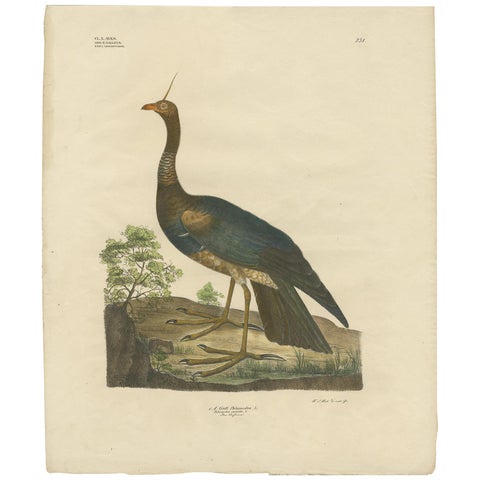
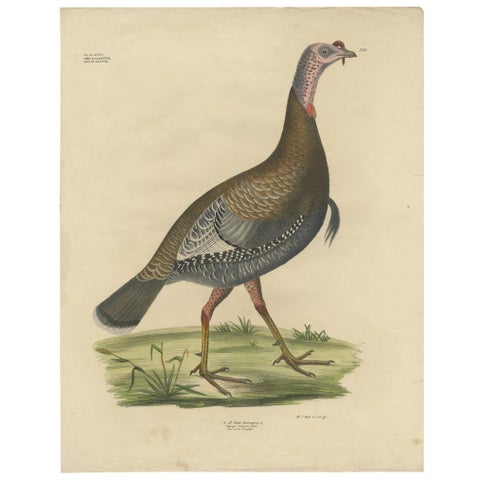
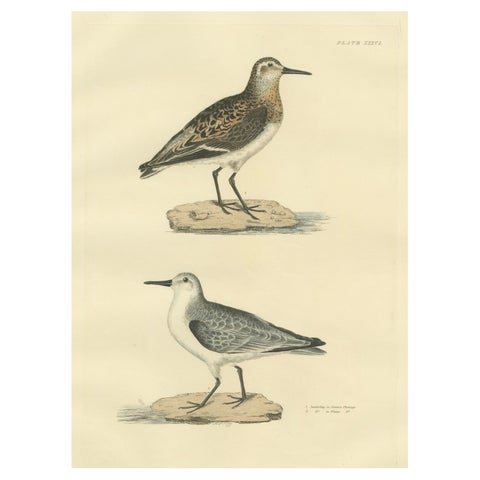
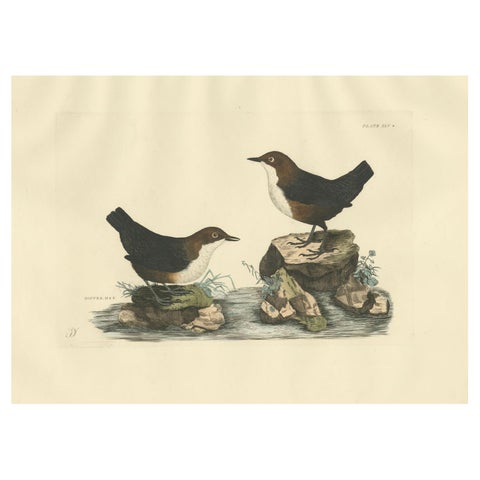
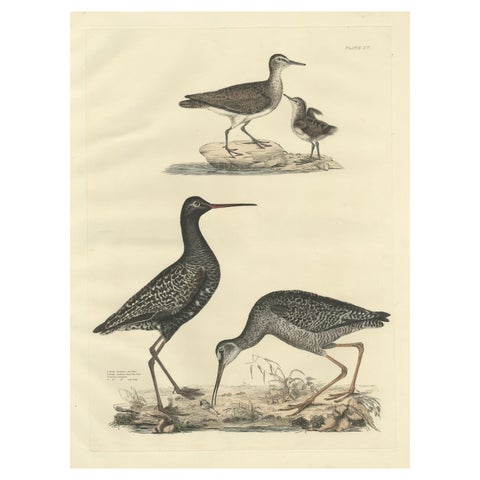
The boat-billed heron, an original large lithograph with hand coloring from the Naturhistorischer Atlas (Naturalist Atlas) of Georg August Goldfuss, published at Duesseldorf by Arnz between 1824 and 1842. The plate is lettered "Gatt. Cancroma" and carries the number 241 at the upper right, with the classification printed at the top left.
The heron stands in profile on a patch of open ground with small tufts of grass and a few stones, its long yellow legs and toes drawn in detail. It has a black crest streaming down the back of the head, a pale breast and neck, slate gray wings with brown flight feathers, and the wide, deep, shovel-shaped bill that gives the species its name. At the upper left a small study shows the head from the front, with the broad bill seen from above.
The boat-billed heron is an unusual member of the heron family, formerly placed in a family of its own, the Cochlearidae. It lives in mangrove swamps from Mexico south to Peru and Brazil, is nocturnal, and nests in loose colonies in mangrove trees. The atlas was issued in parts of twenty plates a year without bindings and without color, so the coloring of this sheet was applied later.