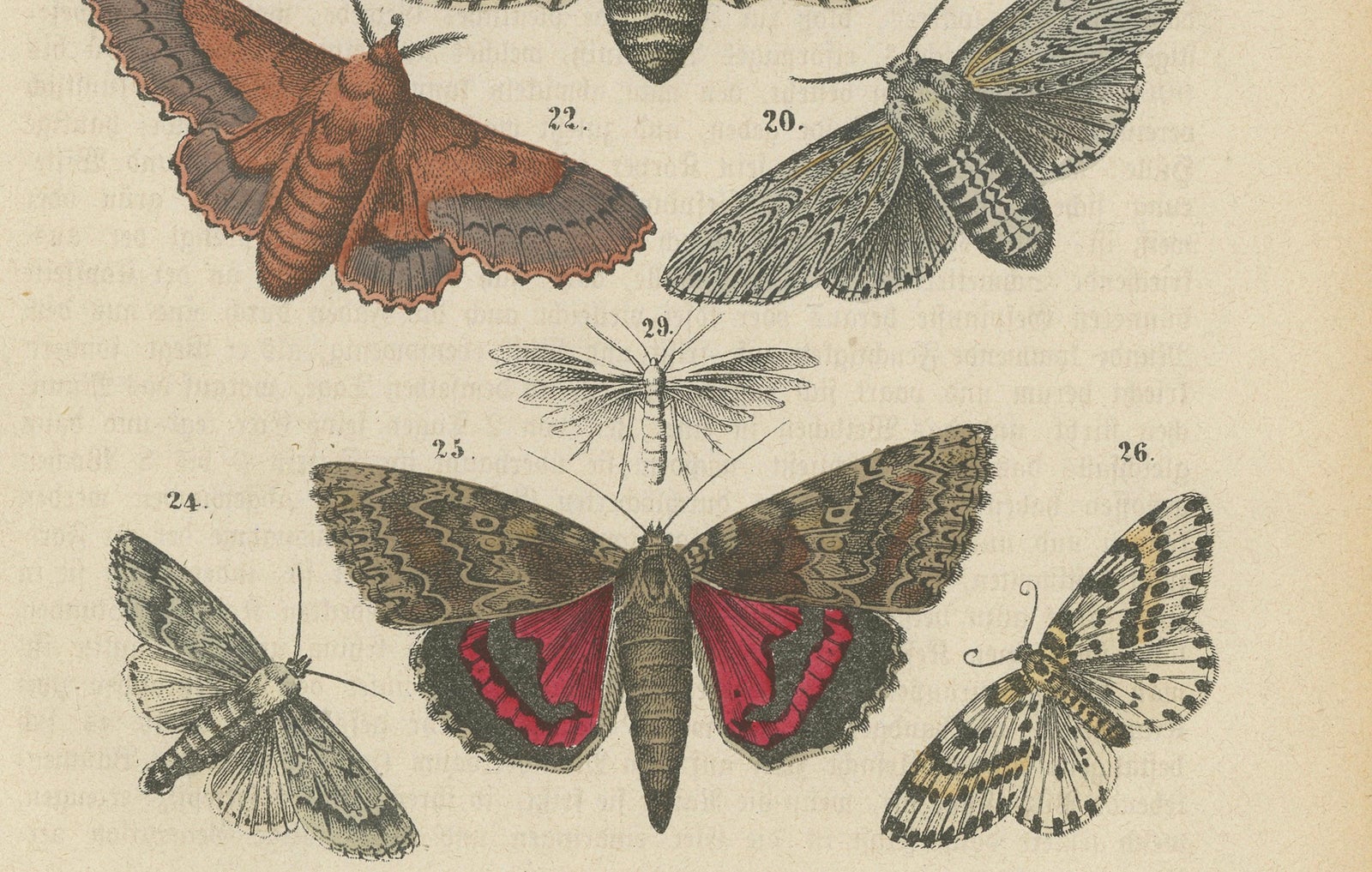
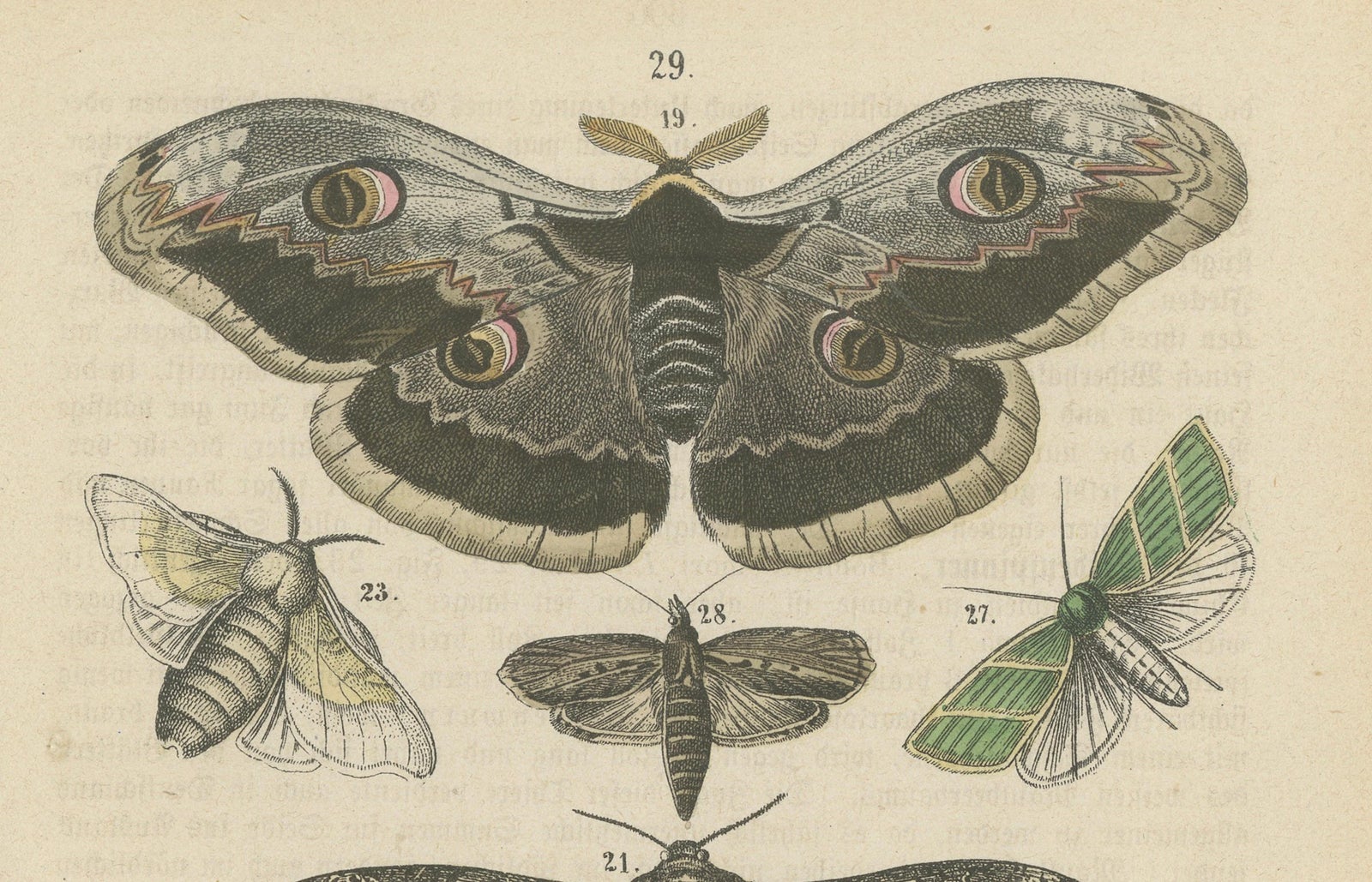
Close-ups
Framed and on the wall
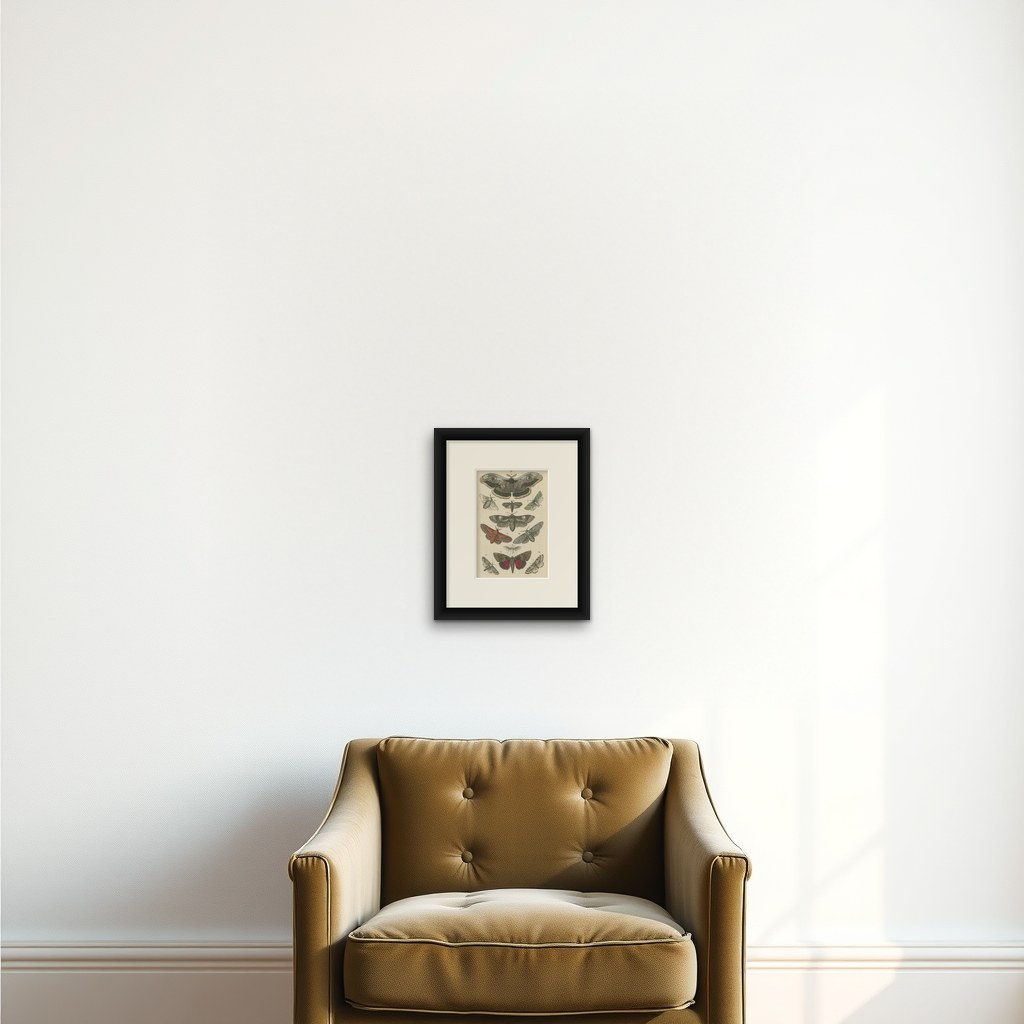

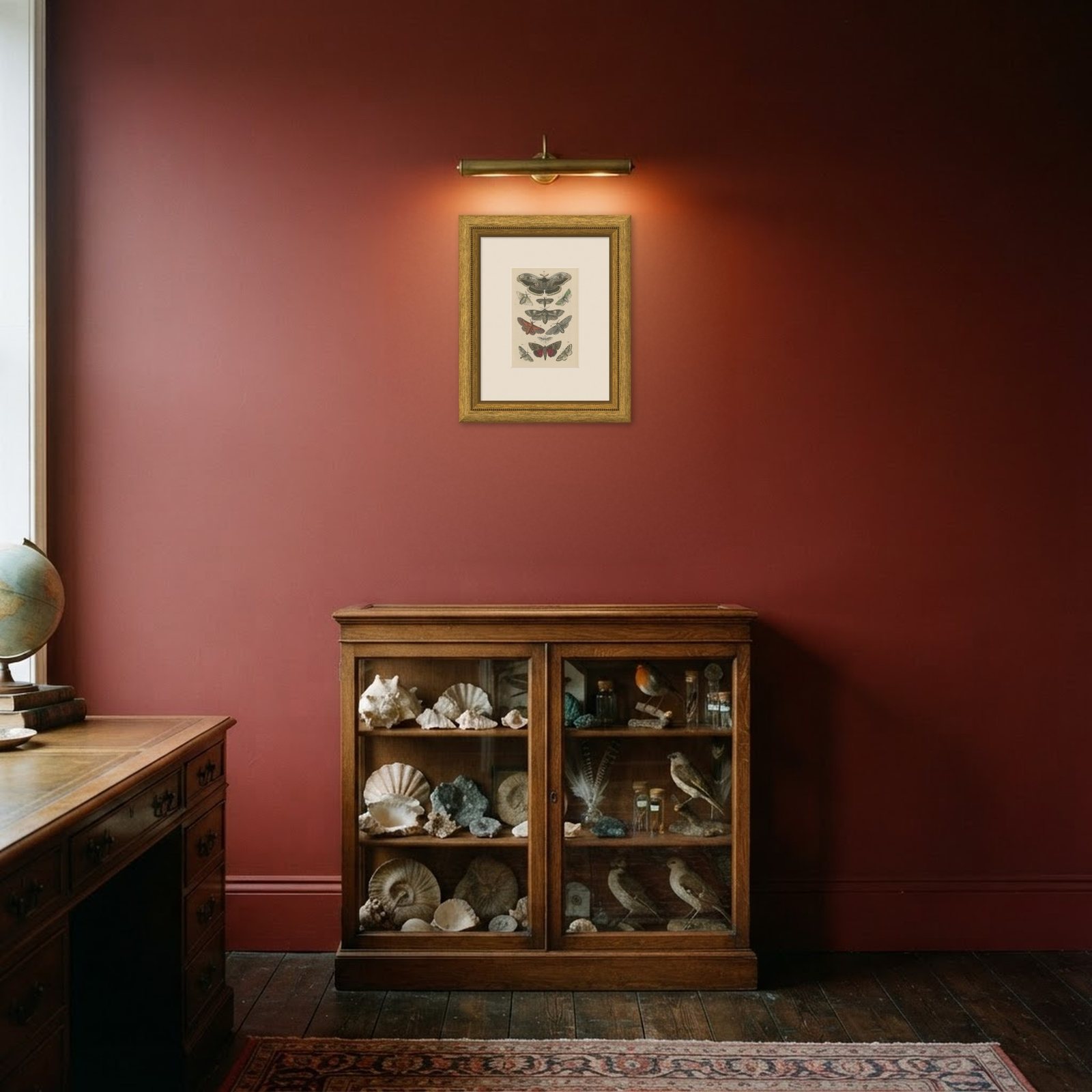
Frame and rooms are illustrations of how the print could look; the description says what is included.
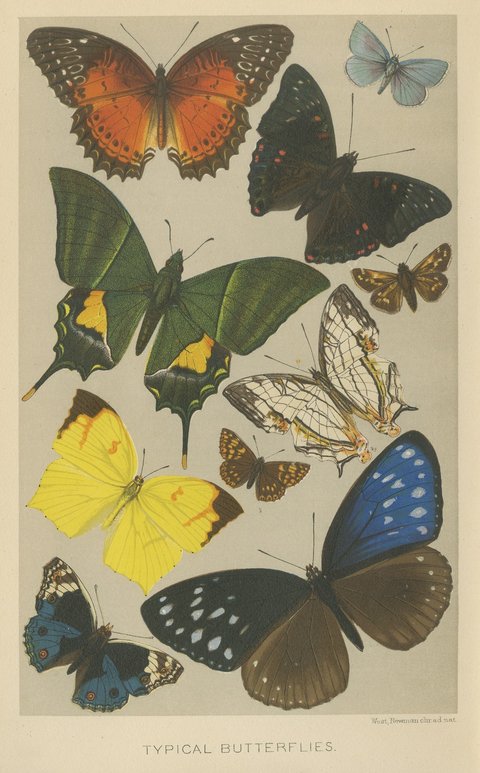
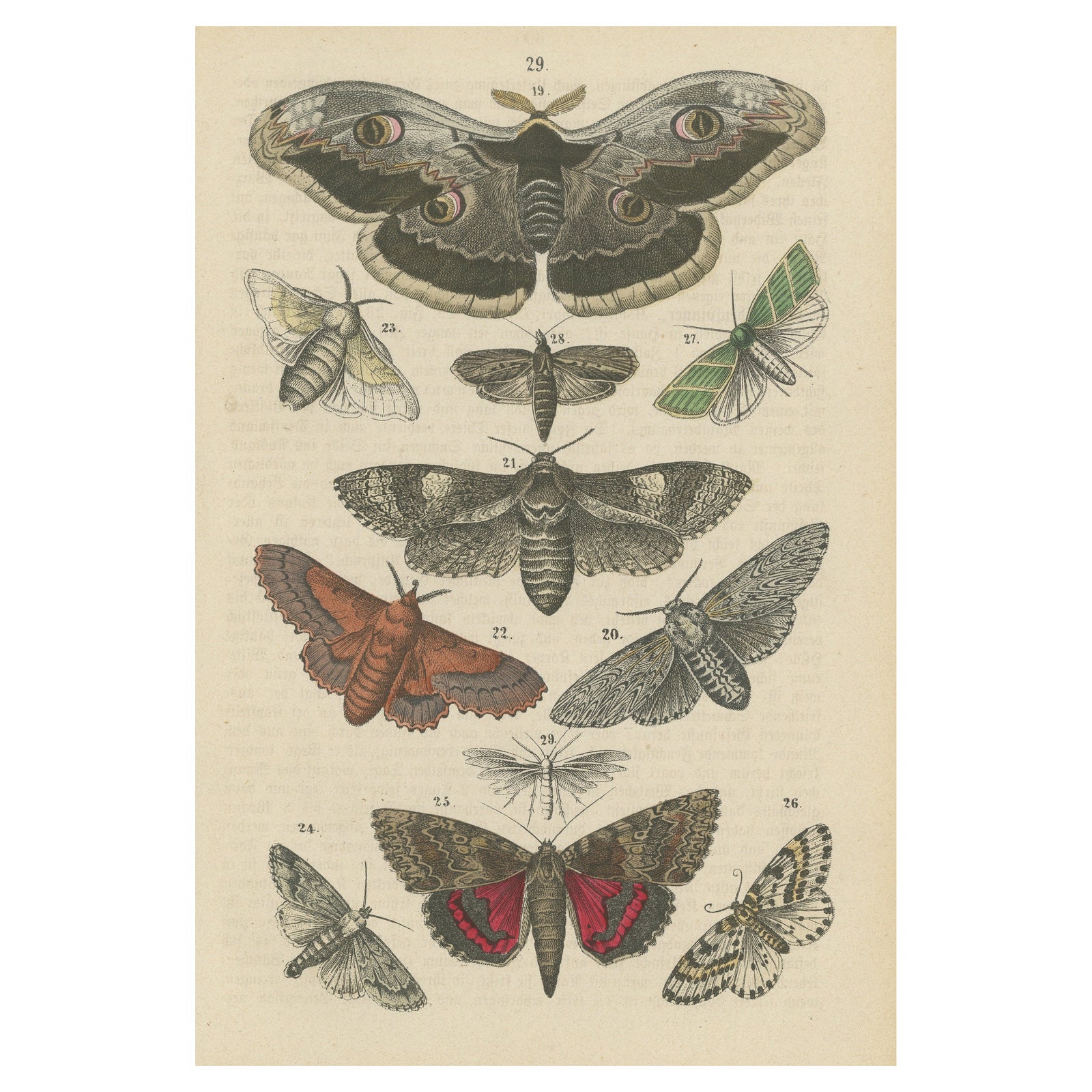
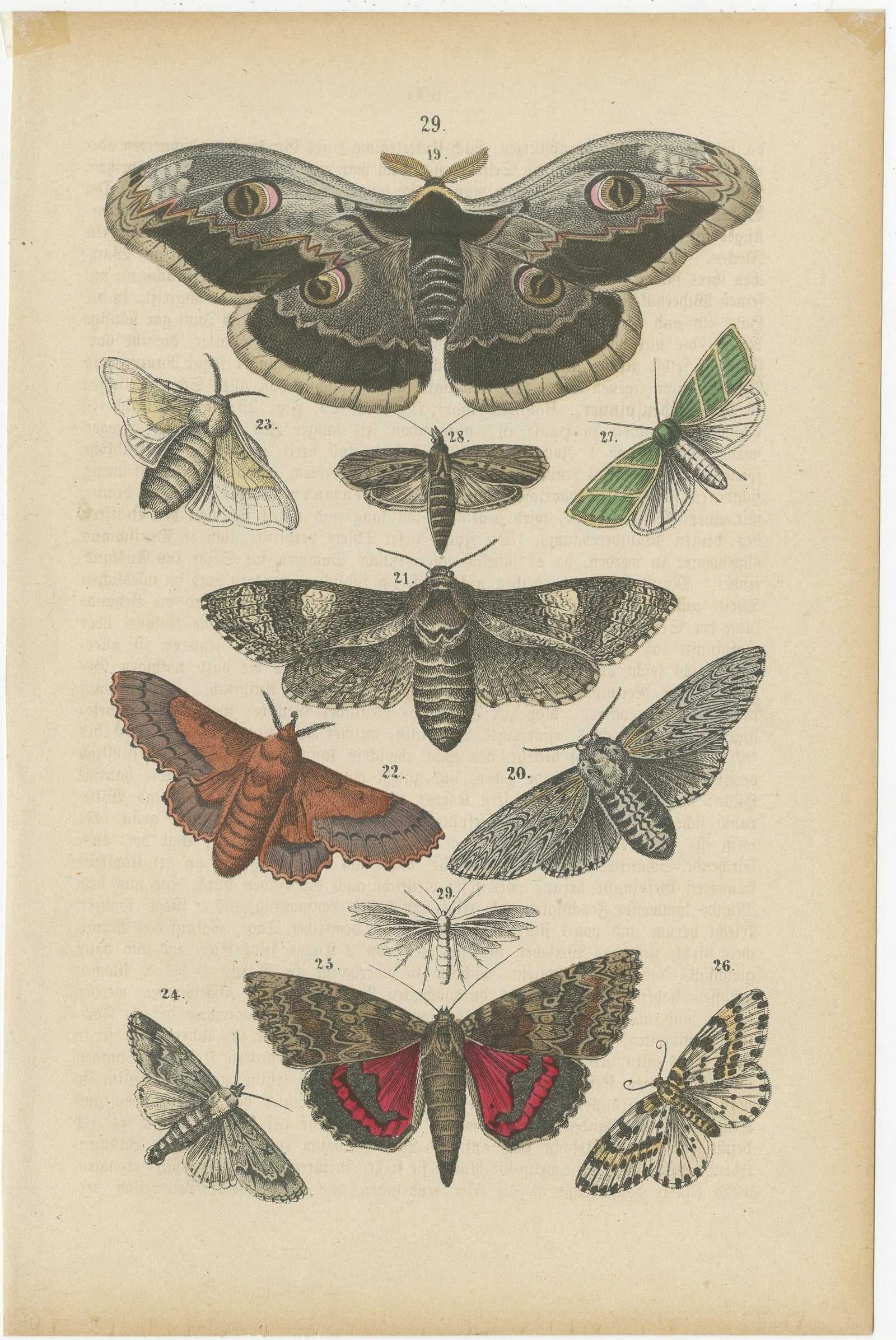
A Study in Wings: Hand-Colored Lepidoptera of the 19th Century, c.1895
£110£8520% off ($115, €104)
Period original, not a reproduction.
Shipped from the Netherlands, flat or rolled, insured and tracked, worldwide. Returns accepted within 14 days.
- Date
- 1895
- Size
- 8.8 × 5.8 in (22.3 × 14.7 cm)
- Condition
- Fair. Age-related toning. Tape residu on top margin, blank verso. Please study image carefully.
- Period
- Late 19th century
- Section
- Insects and butterflies
- Reference
- f_39014732
- Color
- Hand colored
What the condition grades mean
- Excellent
- Bright and clean, with no faults worth mentioning.
- Very good
- Only light signs of age, such as faint toning.
- Good
- Normal signs of age for a sheet of this period: toning, some foxing, small marks or neat old repairs.
- Fair
- Clear faults such as staining, tears or repairs, priced to match.
Every fault we see is written in the condition note, and the whole sheet is shown uncropped in the photos.
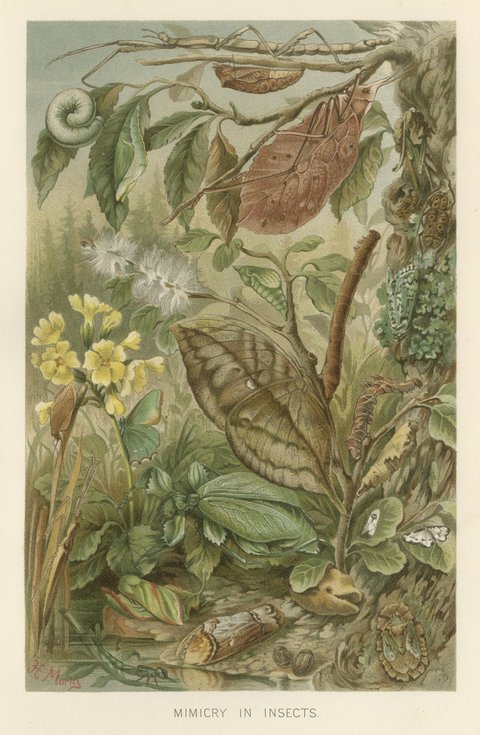
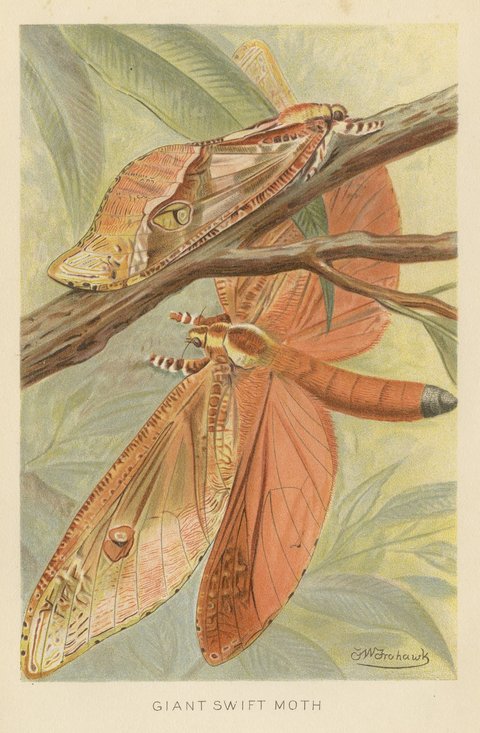
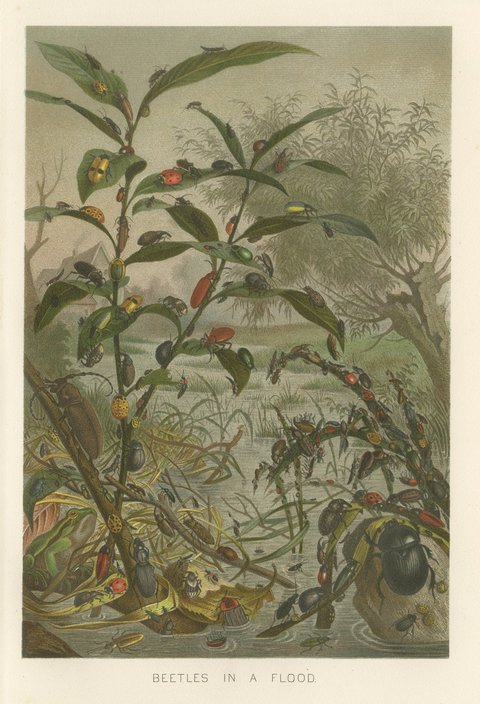
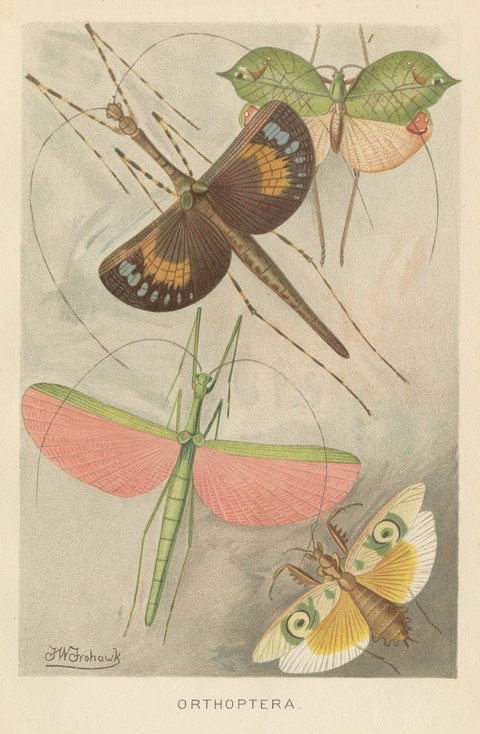
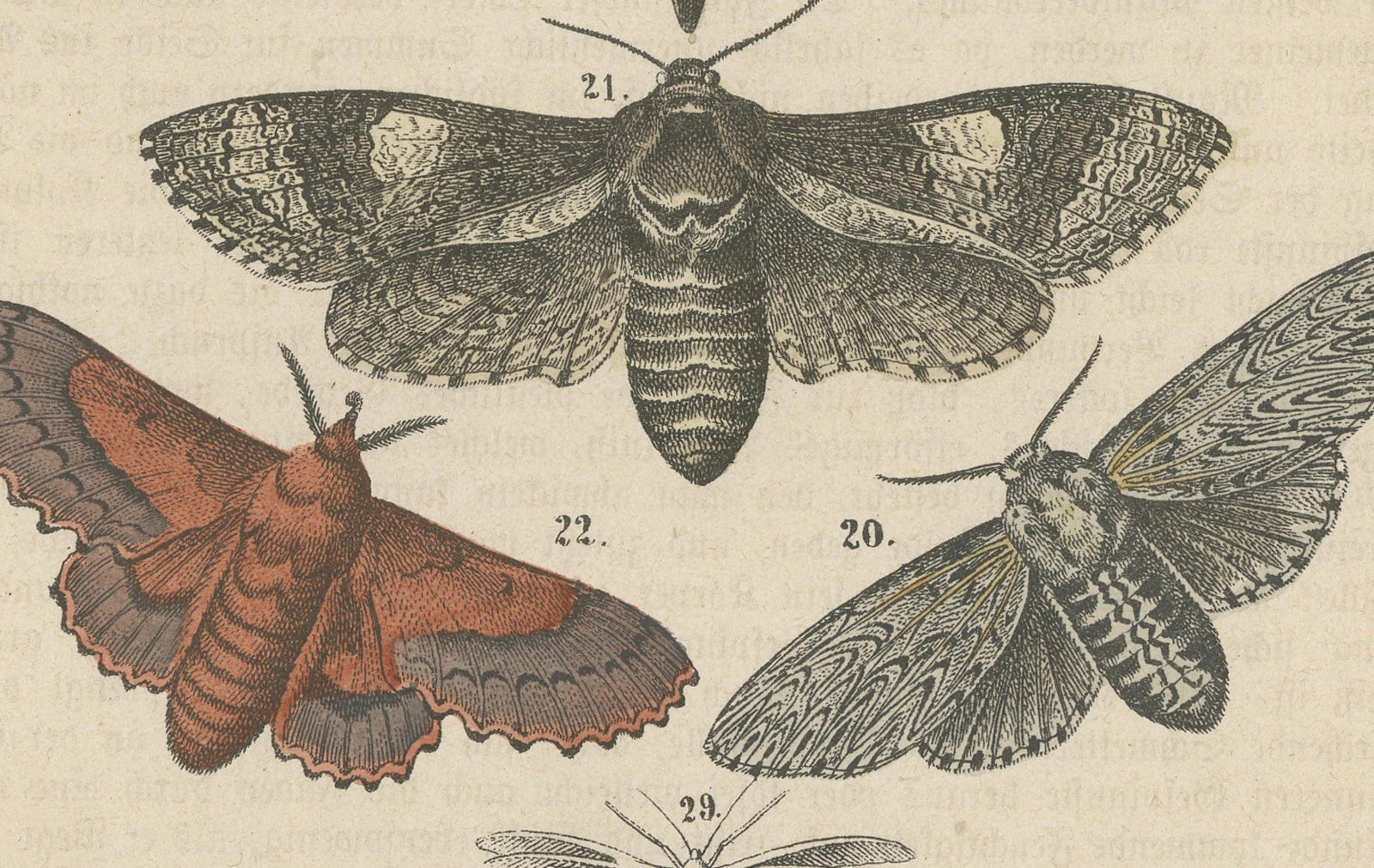
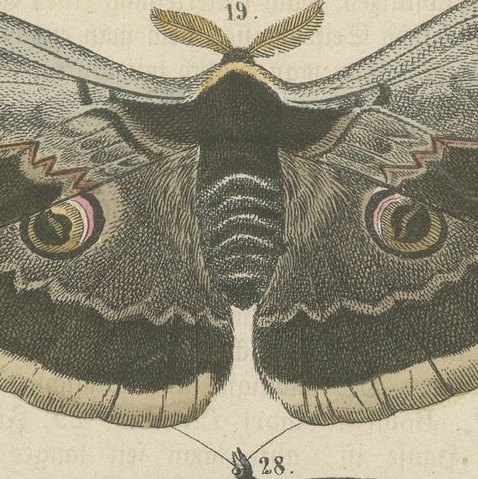
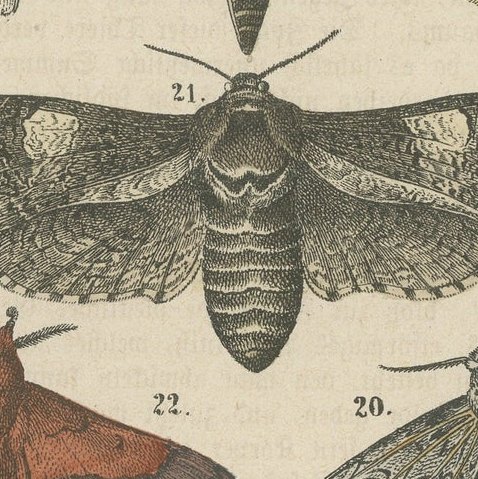
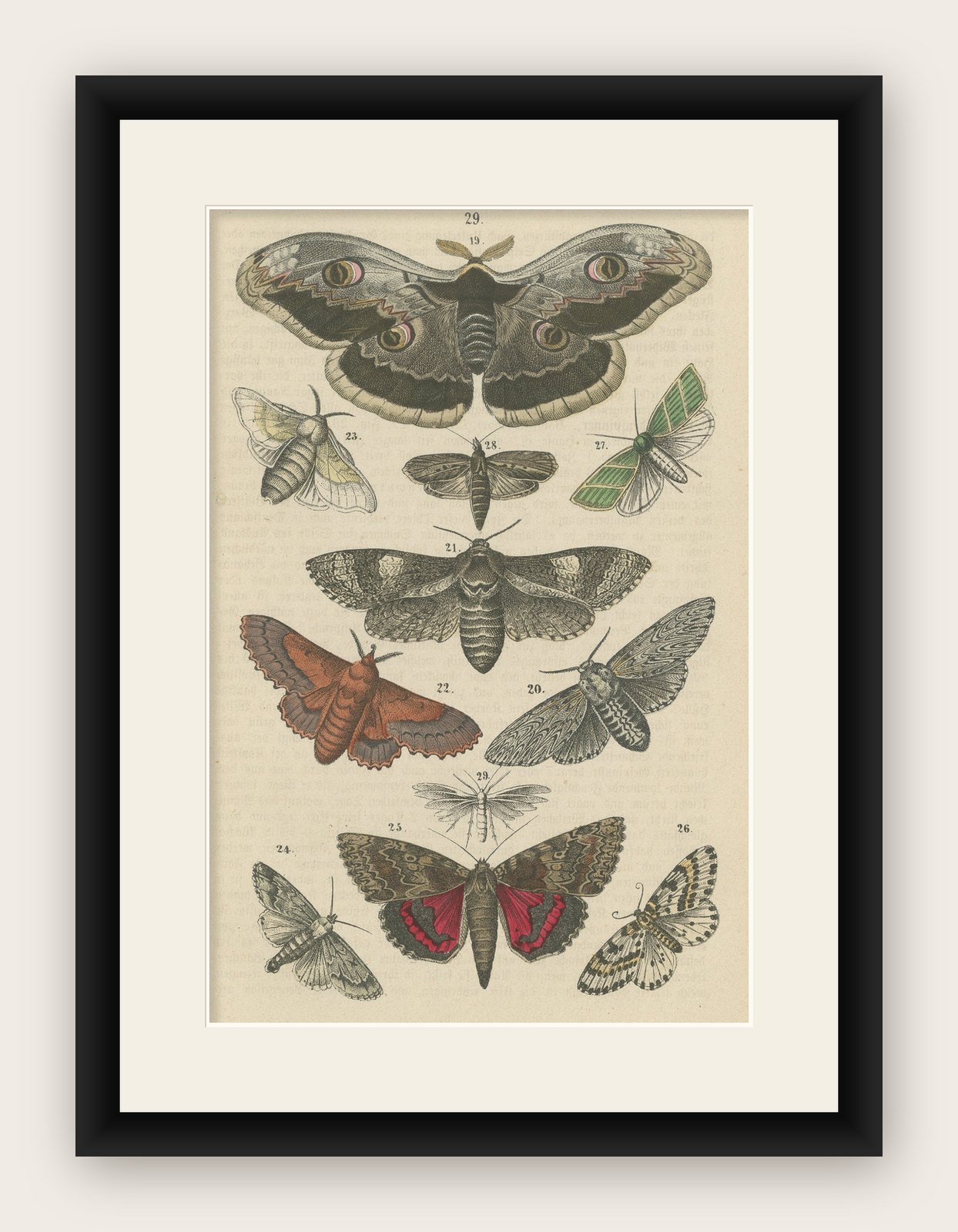
A hand-colored illustration of various insect species, created around 1866.
Th print is potentially part of a publication by W. G. Sebald, a well-known German writer, also known as Max Sebald. He was an avid collector of art and had an interest in natural history.
Specific types of moths and butterflies projected:
Emperor Moth (Saturnia pavonia): Typically, this moth has a distinctive eye pattern on its wings and is native to Europe.
Lappet (Gastropacha quercifolia): Known for the leaf-like appearance of their wings.
Red Underwing (Catocala nupta): This moth has cryptic forewings and bright red or orange hindwings.
Silkworm (Bombyx mori): Famous for its use in silk production, the domesticated silkworm moth has a white, stout body and reduced wings.
Dagger (Acronicta psi): The dagger moths are so named for the dagger-like markings on their wings.
More research needed.