Close-ups
Framed and on the wall
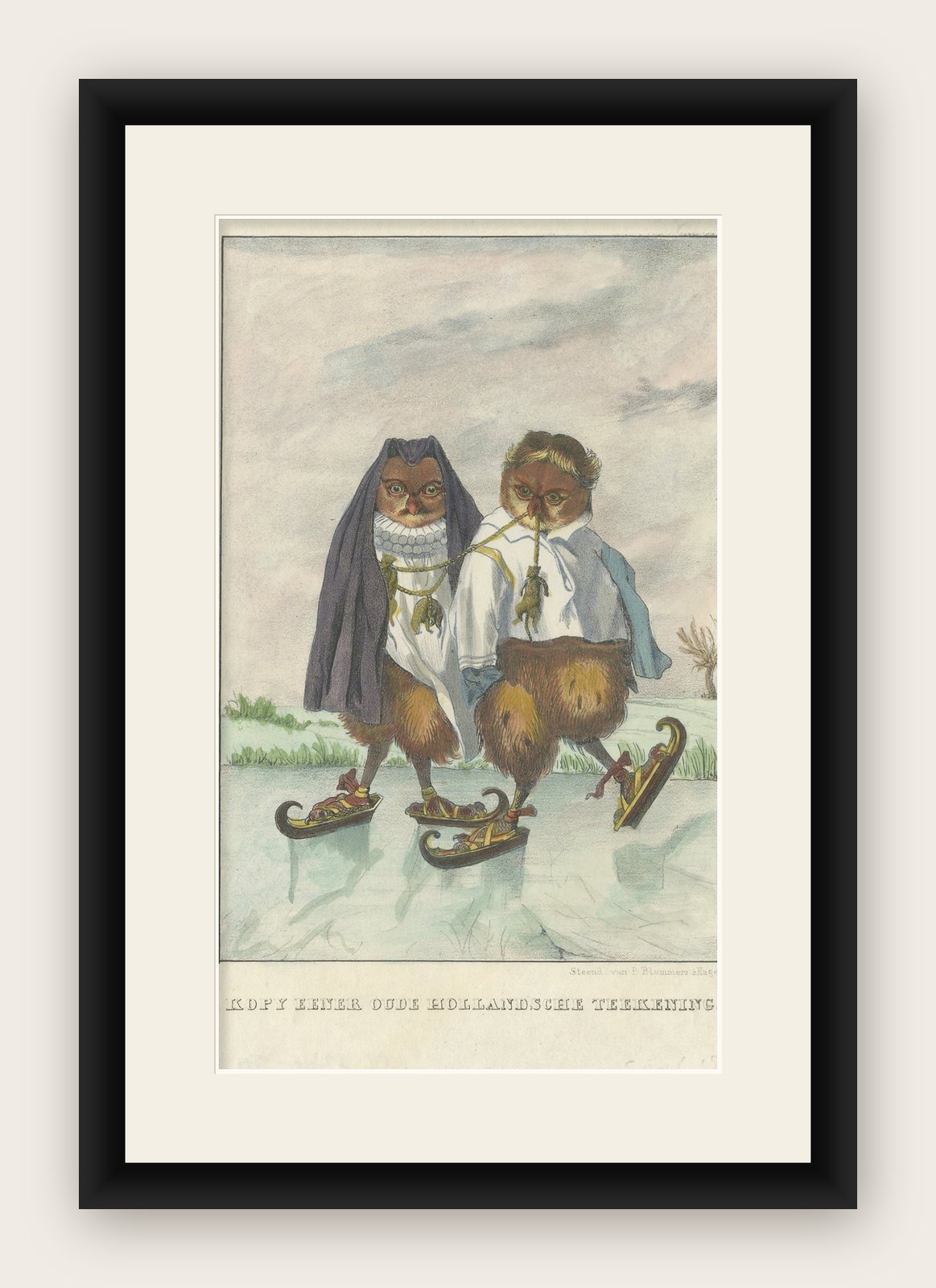


Frame and rooms are illustrations of how the print could look; the description says what is included.
19th Century Hand-Colored Lithograph of Owls from an Old Dutch Drawing, 1860
€229 ($255, £195, €229)
Period original, not a reproduction.
Shipped from the Netherlands, flat, insured and tracked, worldwide. Returns accepted within 14 days.
- Date
- 1860
- Size
- 7.9 × 4.9 in (20 × 12.5 cm)
- Condition
- Good. Very good condition with later hand-clouring. Short on the margins, but a very clean original antique print.
- Period
- Late 19th century
- Section
- Birds
- Reference
- f_42377042
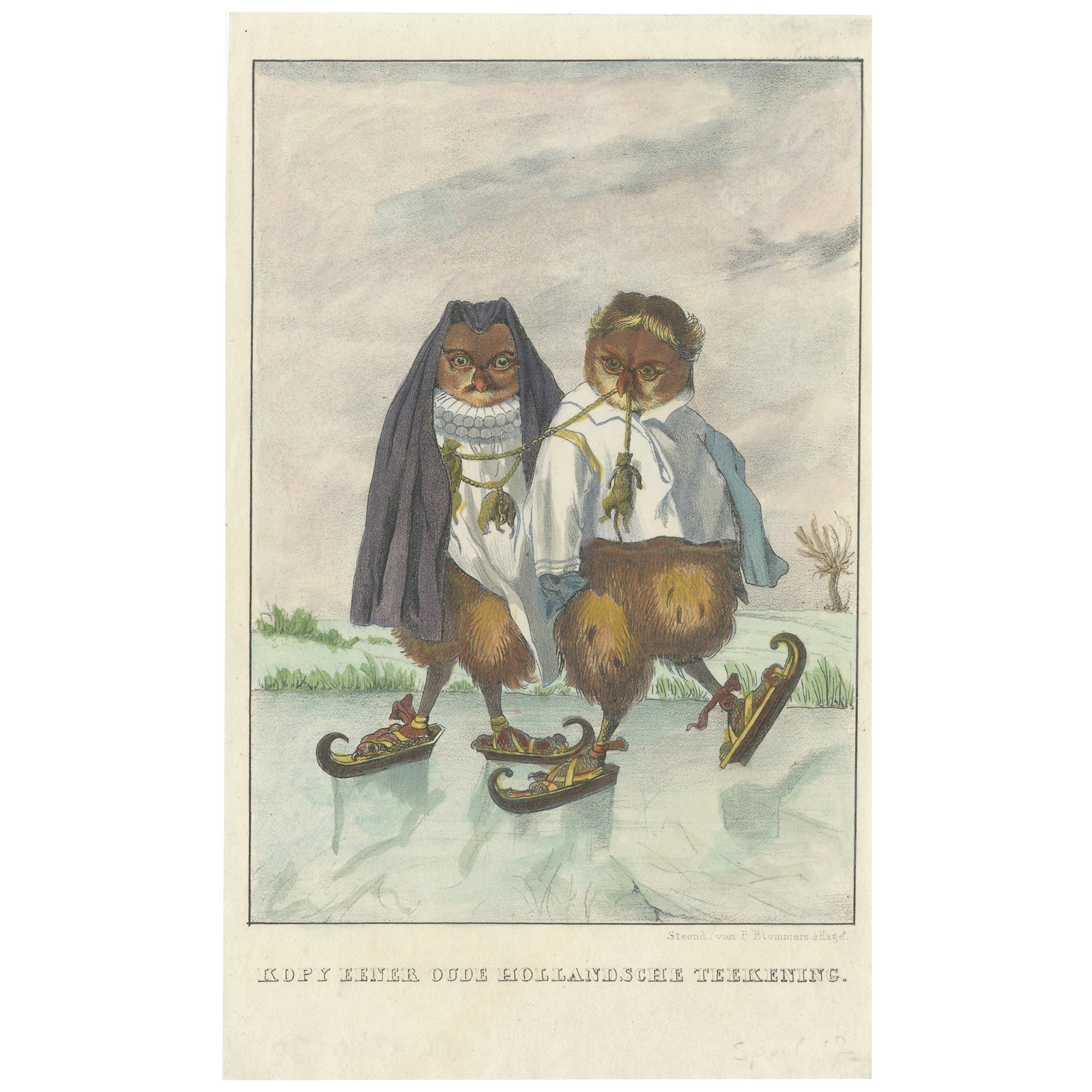
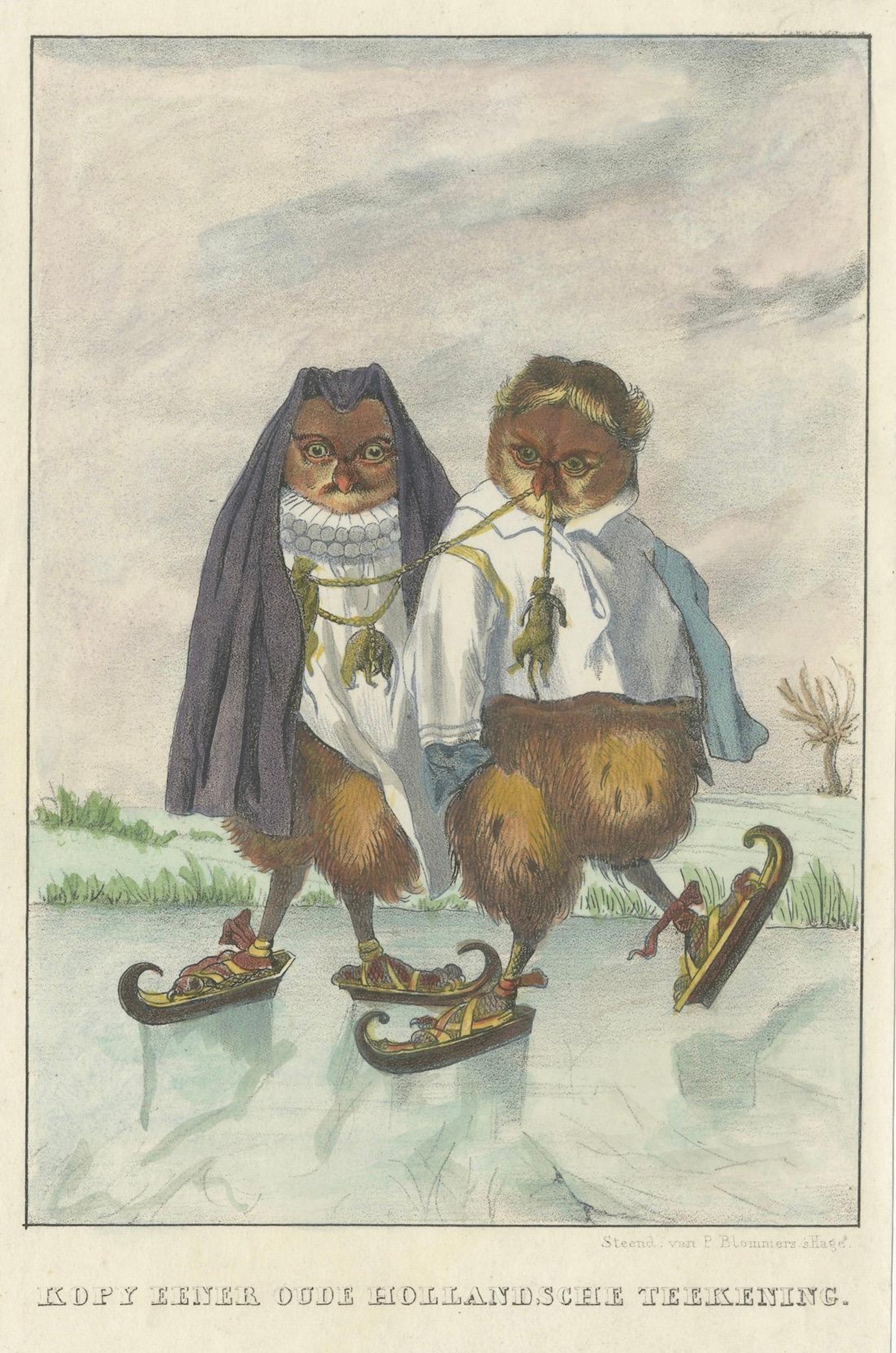
Title: "Copy of an Old Dutch Drawing: Anthropomorphic Owls Skating in a Winter Scene"
Translation of the Text: "KOPY EENER OUDE HOLLANDSCHE TEEKENING" translates to "Copy of an Old Dutch Drawing."
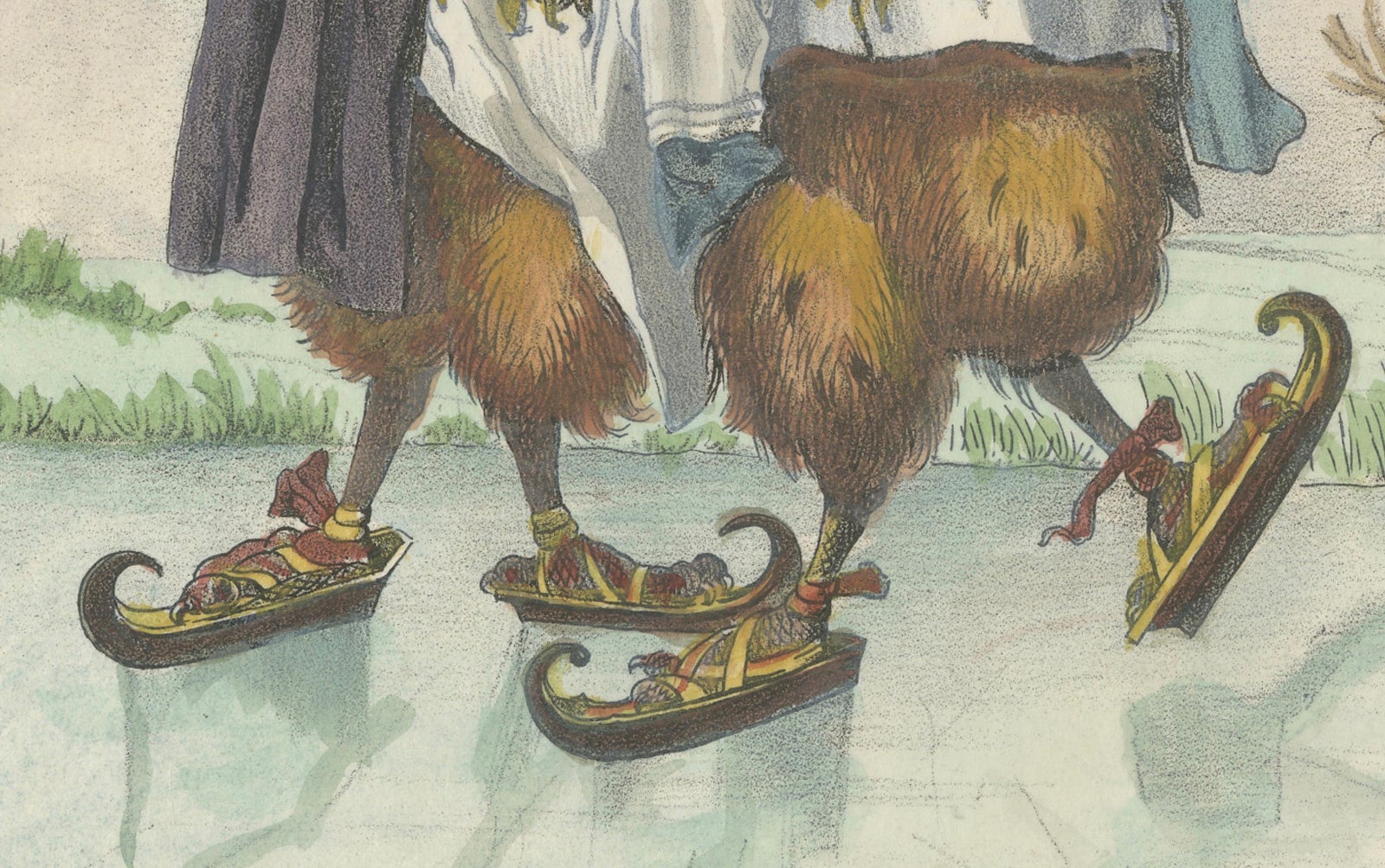
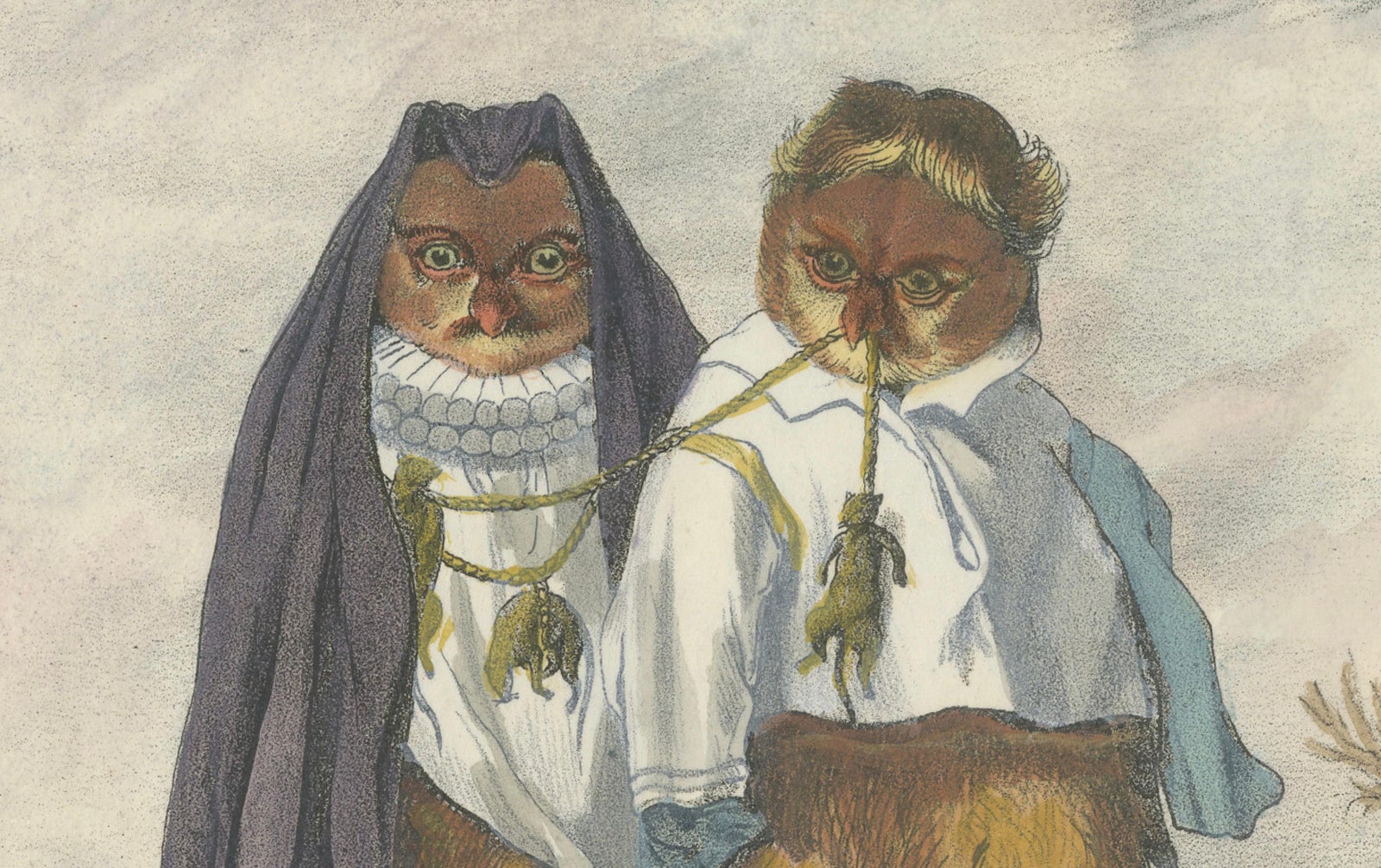
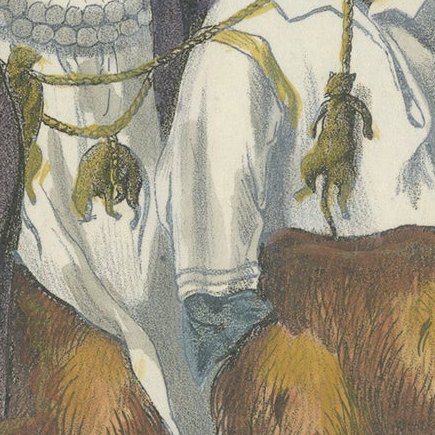
This hand-colored lithograph depicts two anthropomorphic owls dressed in traditional 16th- and 17th-century Dutch attire, skating on ice against the backdrop of a serene winter landscape. One owl wears a blue woolen cap, characteristic of Dutch fishermen and peasants, while the other is adorned with a black cloak and a ruff, a symbol of wealth and status among the merchant class of the time. They stand on wooden skates, a typical Dutch feature of winter culture.
The print is part of a series portraying animals in human attire, a popular motif in Dutch art that blended humor, social commentary, and symbolism. Owls were often associated with winter in this era, possibly influencing the choice of subject and setting. The enigmatic nature of this piece invites interpretations regarding its symbolism, potentially reflecting on social class, tradition, or seasonal themes.
Maker and Date:
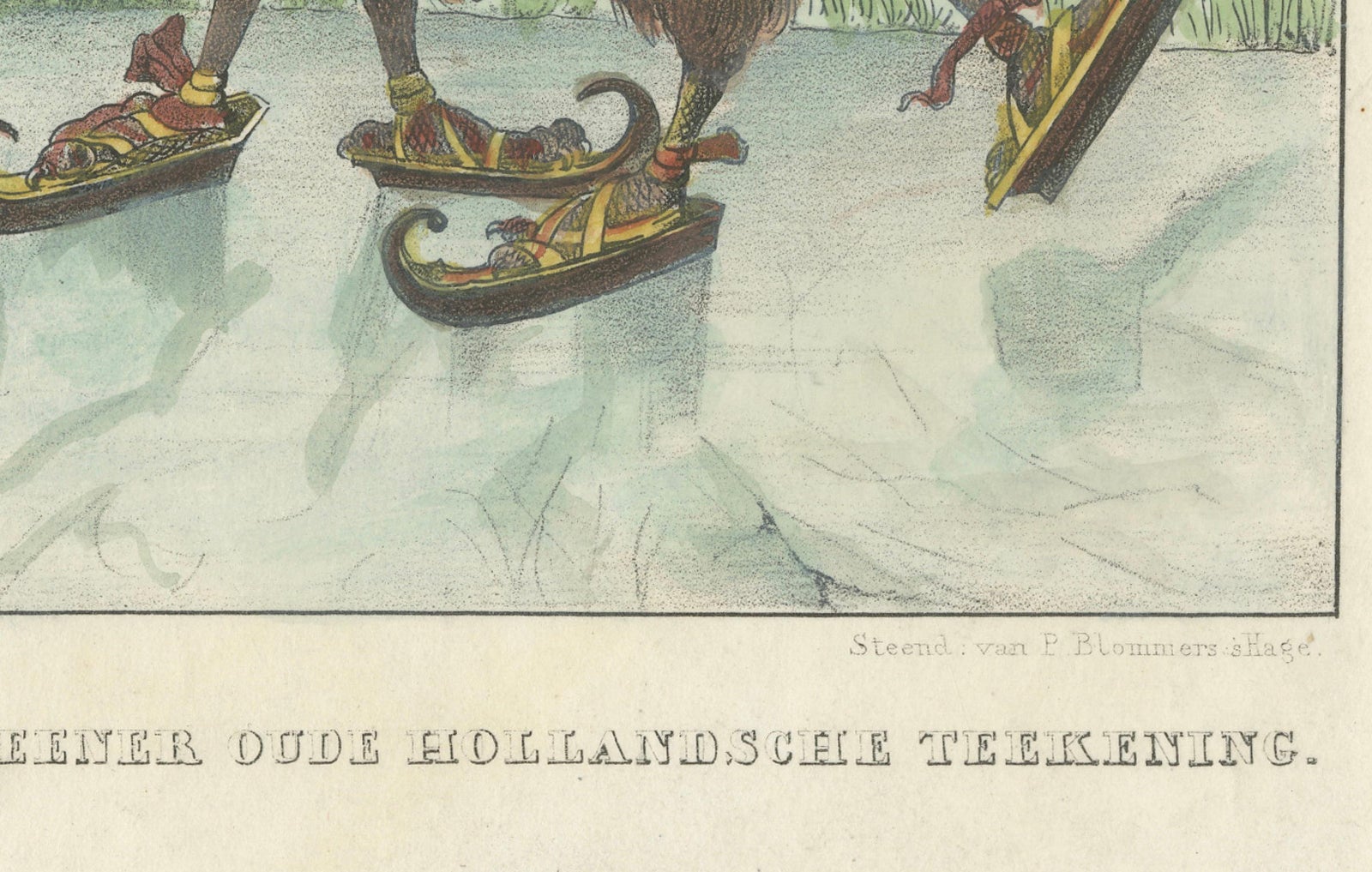
The lithograph is signed as being produced by P. Blommers, Haag (The Hague). While the original painting likely dates to the 16th or 17th century, this reproduction was created in the 19th century as part of a revival of interest in anthropomorphic art and Dutch heritage. It combines traditional Dutch artistic humor with the skilled craft of 19th-century lithographic reproduction.
This print is a charming blend of historical Dutch art, cultural symbolism, and social commentary, making it a unique addition to collections of anthropomorphic or Dutch historical artworks.
It is highly likely that the original painting, which this lithograph reproduces, was created by Adriaen Pietersz. van de Venne (1589–1662). Van de Venne was a prominent Dutch Golden Age painter and illustrator known for his satirical and allegorical works, often depicting animals in human attire to comment on social, moral, and political themes.
Van de Venne's use of owls and anthropomorphic animals aligns with his penchant for blending humor and symbolism in his art. His works frequently contained allegorical references to Dutch culture, class distinctions, and seasonal themes, as seen in this image's depiction of winter and contrasting attire.
While the original painting is lost, its association with Van de Venne is based on his well-documented style and themes. This print, created in the 19th century, reflects a revival of interest in his work and the Dutch Golden Age more broadly.