Close-ups
Framed and on the wall
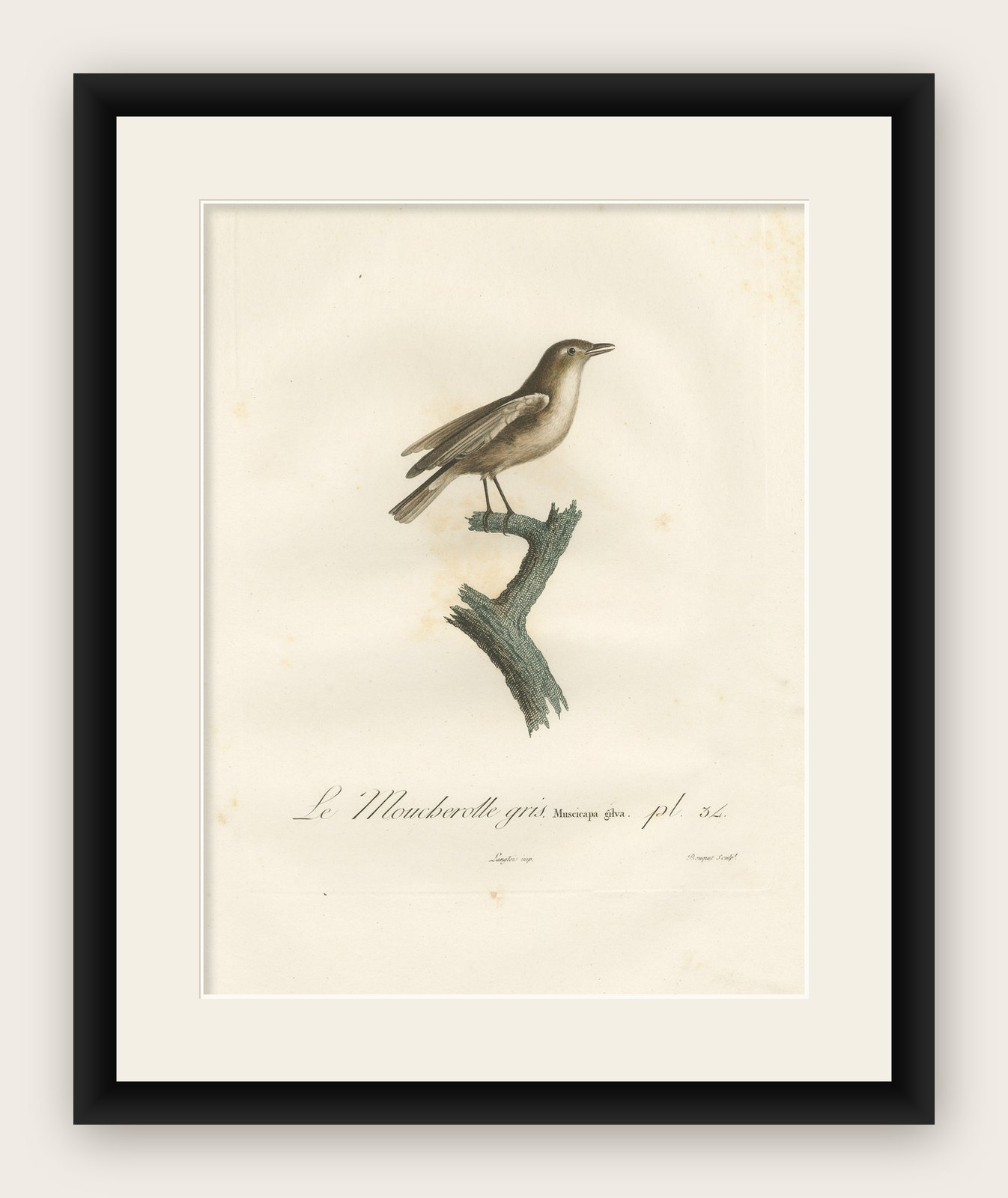
Frame and rooms are illustrations of how the print could look; the description says what is included.
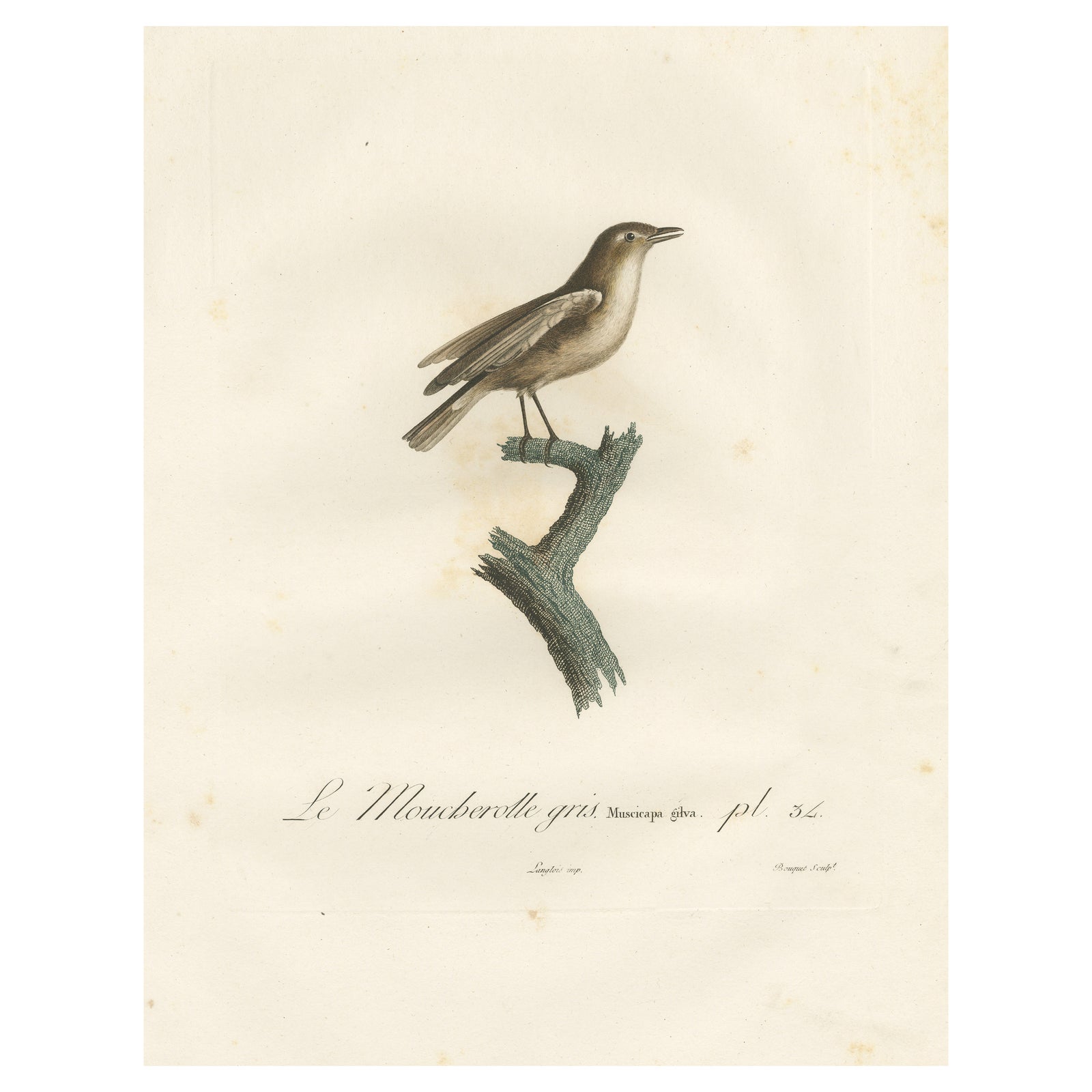
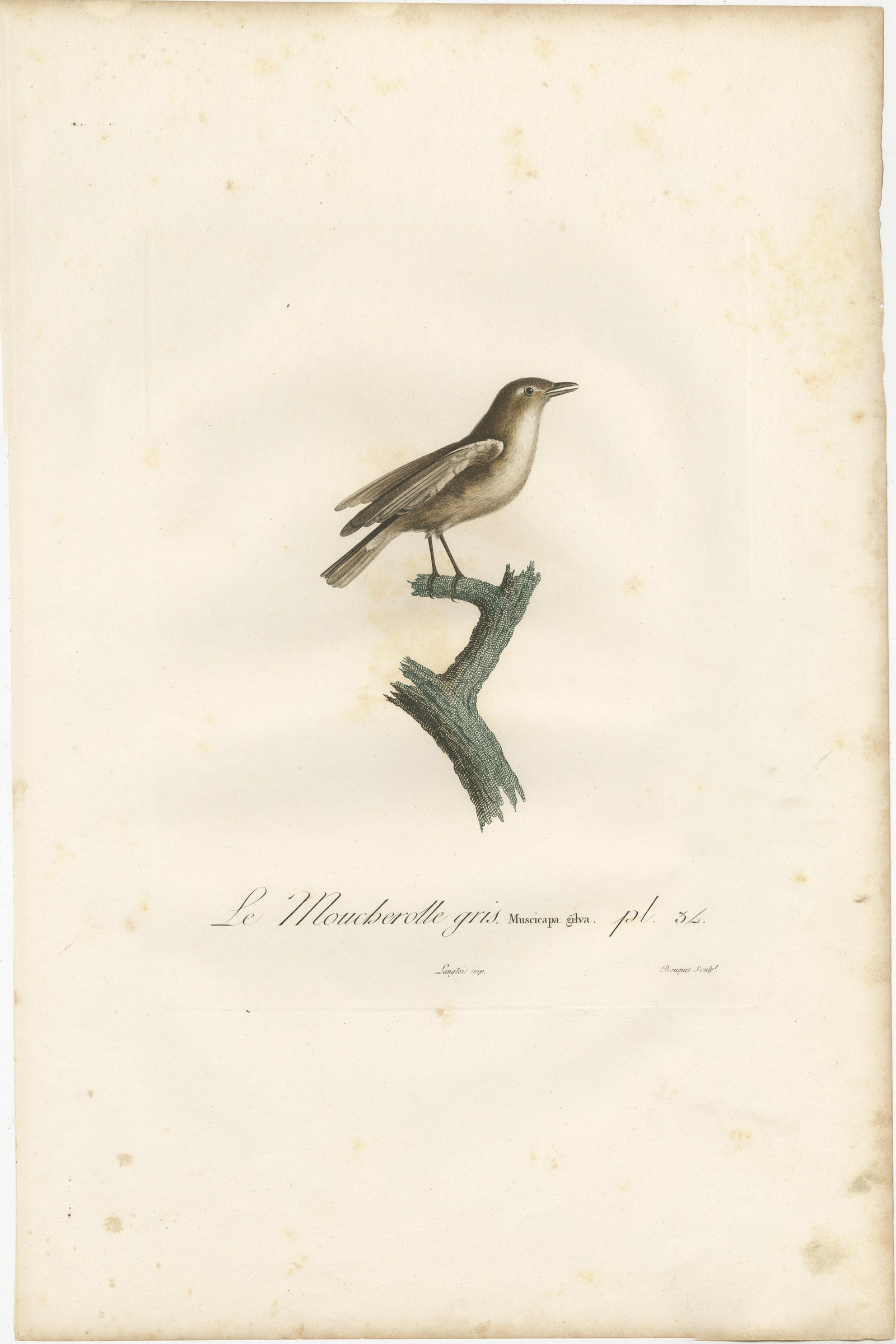
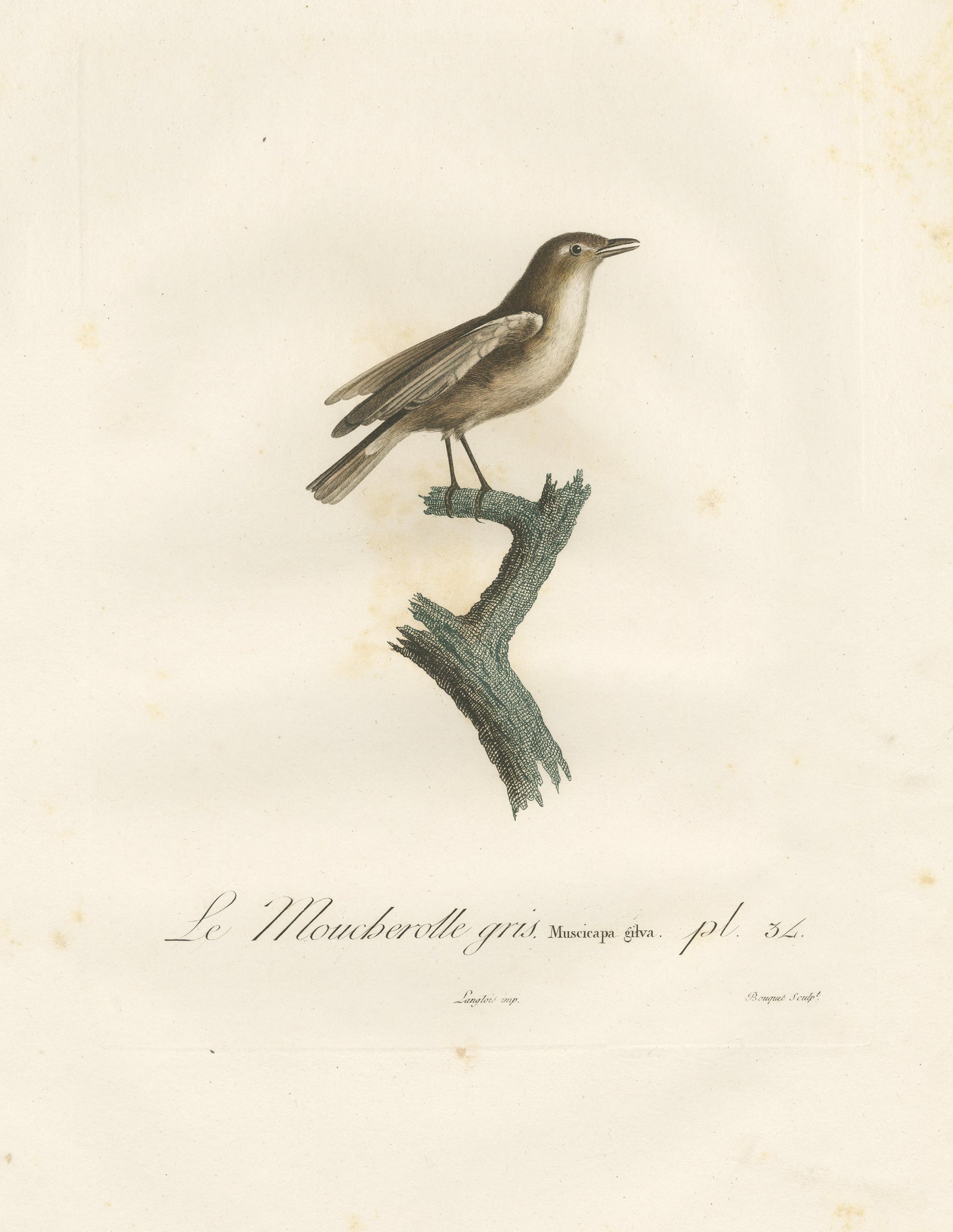
1807 Gray Flycatcher Print - 'Le Moucherolle gris' Handcolored Bird Illustration
$425 (£320, €380)
Period original, not a reproduction.
Shipped from the Netherlands, flat, insured and tracked, worldwide. Returns accepted within 14 days.
- Date
- 1807
- Size
- 20.3 × 13.5 in (51.5 × 34.4 cm)
- Condition
- Good. General age-related toning. Minor wear and foxing, blank verso. Please study image carefully.
- Period
- Early 19th century
- Section
- Birds
- Reference
- f_39081932
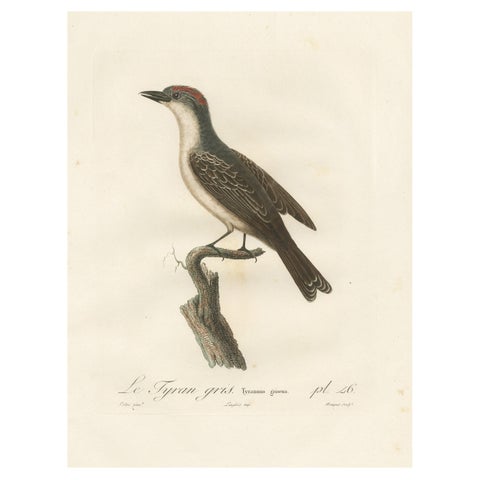
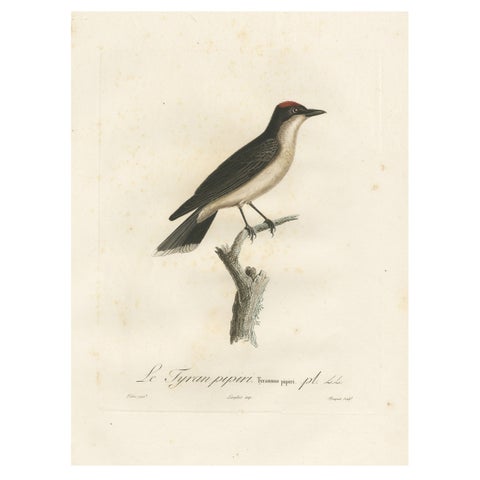
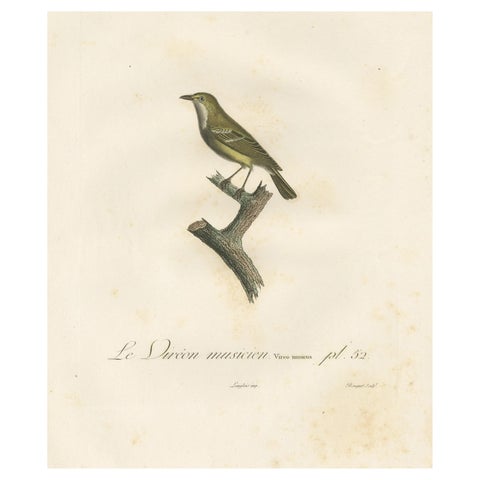
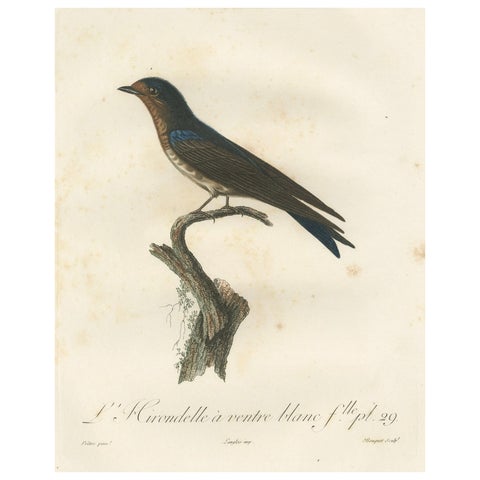
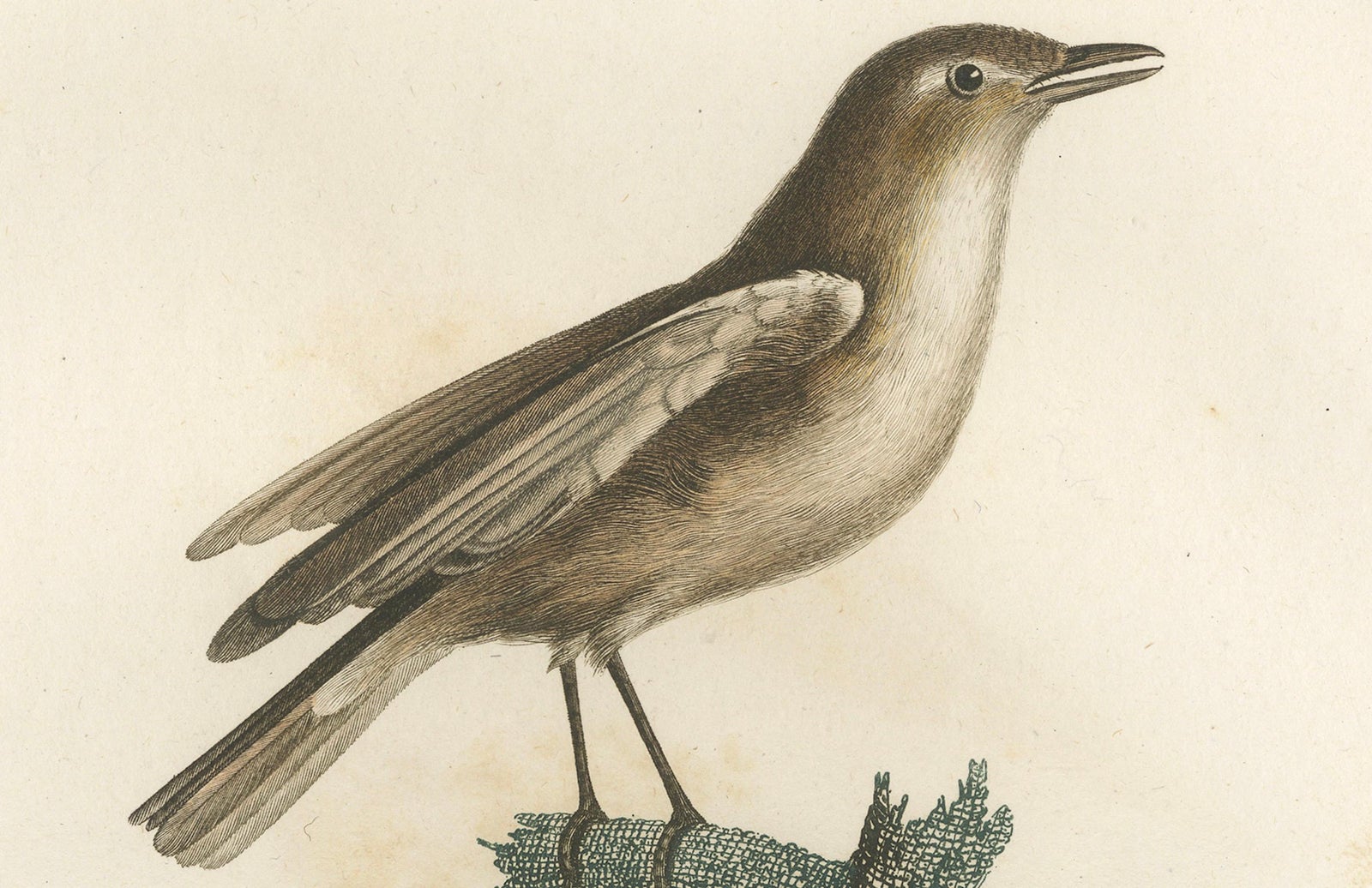
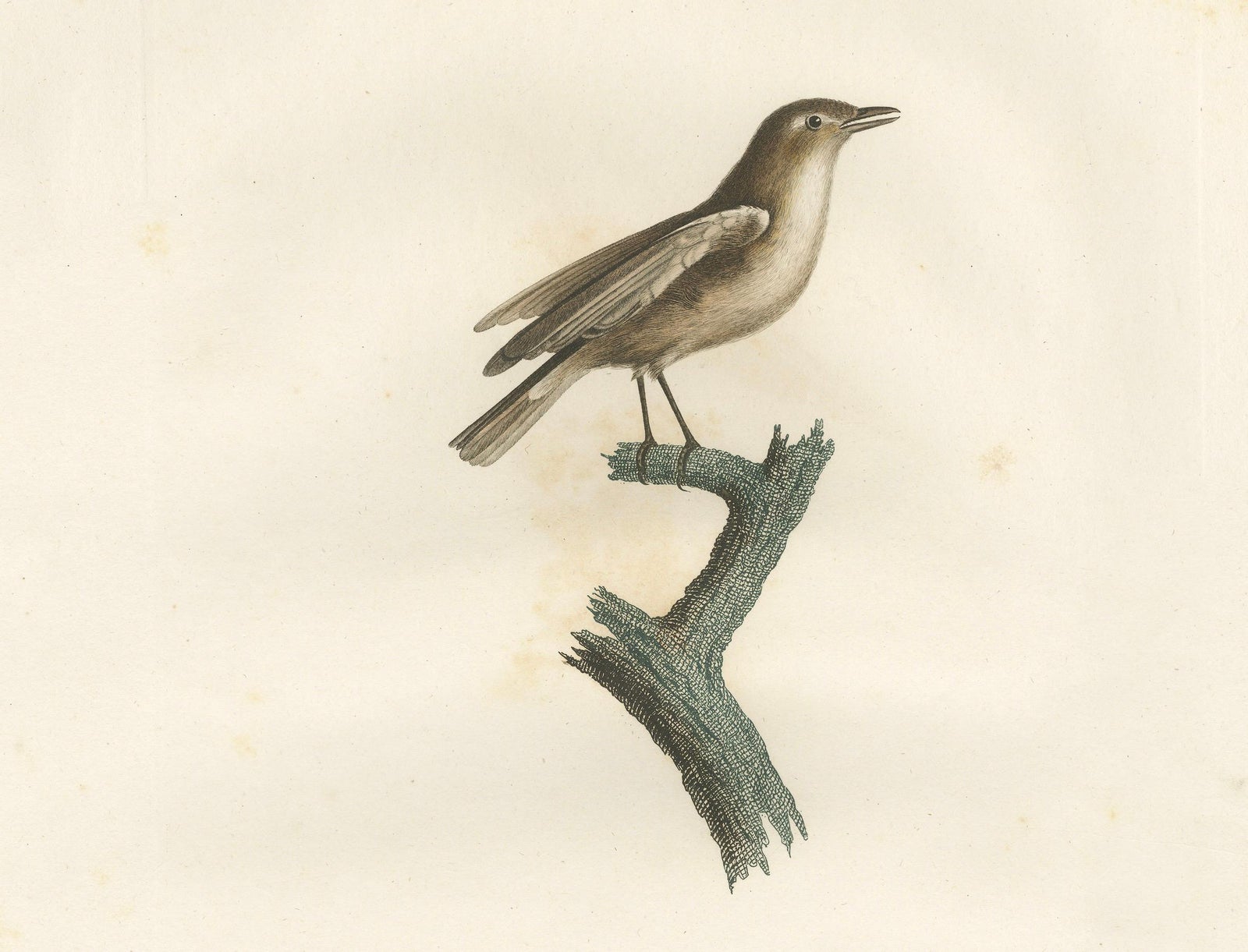
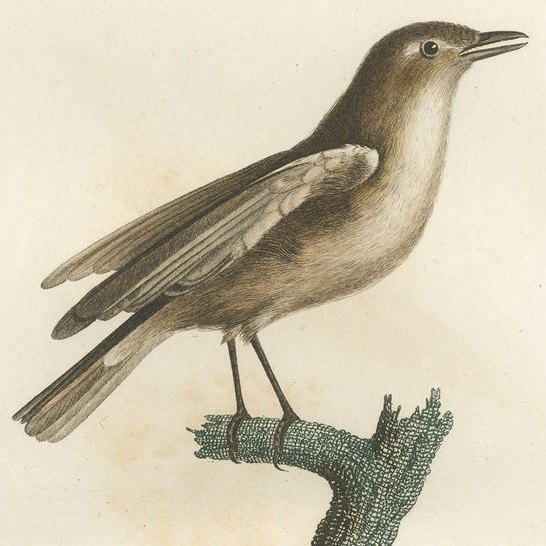
This antique bird print, titled 'Le Moucherolle gris', portrays the Gray Flycatcher, a bird known for its distinctive tail-dipping behavior which differentiates it from other Empidonax species. The flycatcher is illustrated perched on a branch, with its body upright and head turned slightly upwards as if attentive to the skies. The bird's plumage is captured in soft, realistic hues, with the grays and subtle olives blending seamlessly, echoing the bird’s natural camouflage in its sagebrush and woodland habitats.
Below the image, the French title 'Le Moucherolle gris', along with 'Musciapa grisea. pl. 34', identifies the species and plate number. The names 'Pretre pinx', 'Langlois sculp.', and 'Bouquet' denote the contributions of the painter, engraver, and colorist to the print, indicating it was created through a collaborative process of printing in colors by Langlois and finished by hand.
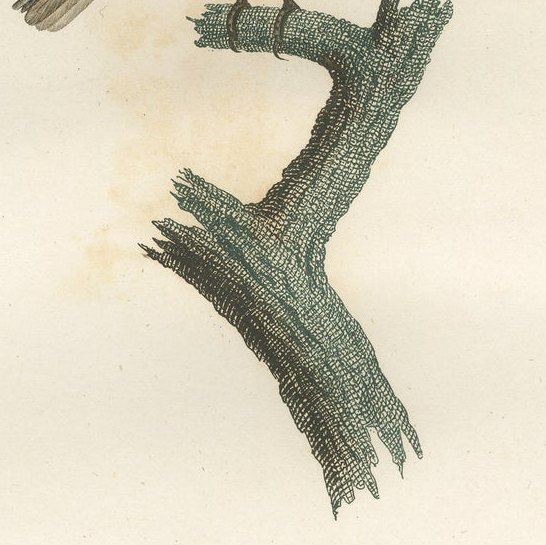
The condition of the print reveals the expected signs of aging for a piece from circa 1807. There is noticeable foxing on the paper, creating a pattern of brown spots that is common in paper of this age. The paper itself has yellowed, providing a backdrop that suggests historical value. Despite the signs of wear, the print's artistic details remain crisp and the colors vivid, underscoring the craftsmanship of the era's printmakers and artists. The print is a part of the collection from 'Histoire Naturelle des Oiseaux de l'Amerique Septentrionale' by Louis Jean Pierre Vieillot, which showcased birds within their ecological contexts, a novel approach in ornithology at the time.